Margaret Atwood Donates IDR 11 Billion for Bird Research, Highlights Global Migration Crisis
Baca dalam 60 detik
- Novelis Kanada Margaret Atwood menyumbang C$1 juta guna mendirikan kursi riset biologi burung di Western University, mengenang pasangannya, Graeme Gibson.
- Populasi burung migran di Amerika Utara anjlok hampir 30% sejak 1970, memicu kekhawatiran ilmuwan tentang kerusakan ekosistem lintas benua.
- Donasi ini diharapkan membuka pemahaman baru soal navigasi burung, yang implikasinya terasa hingga konservasi di Asia Tenggara, termasuk Indonesia.
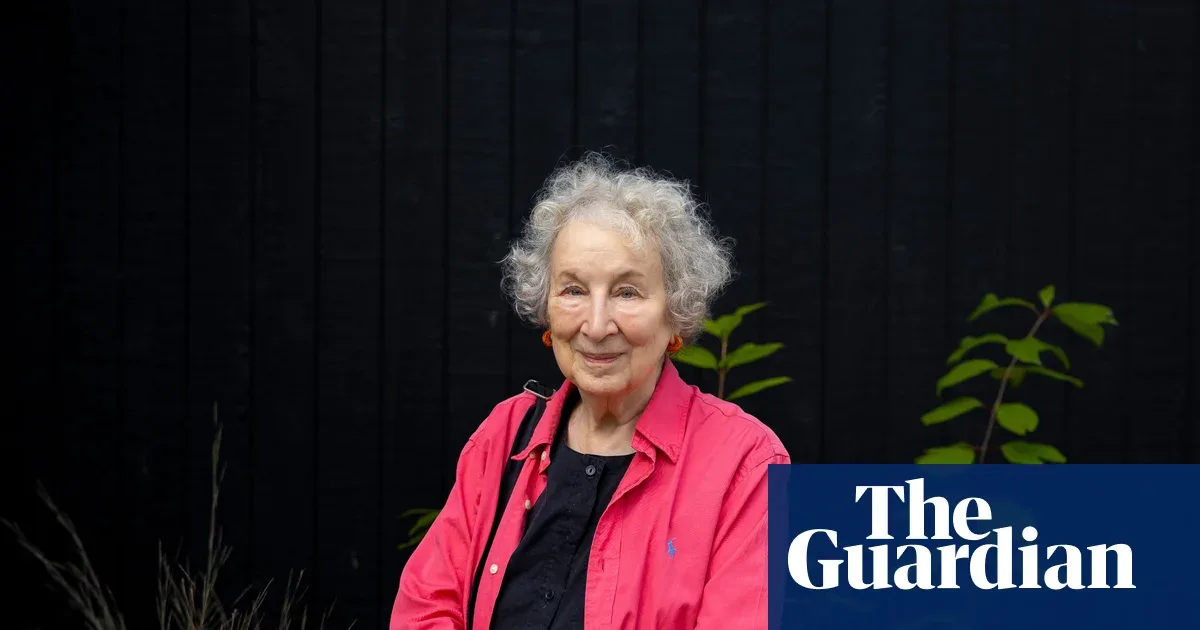
Renowned Canadian author Margaret Atwood has announced a donation of C$1 million (around IDR 11 billion) to the University of Western Ontario to establish a research chair in avian biology. The funds are dedicated to her late partner, novelist Graeme Gibson, who died in 2019 after a long struggle with vascular dementia. The announcement was made last Friday, alongside the opening of the Atwood-Gibson Bird Centre on Pelee Island, Ontario—a bird observatory the two pioneered more than two decades ago.
The research chair, titled the Graeme Gibson chair in avian biology, will focus on fundamental questions: how birds migrate thousands of kilometers, detect magnetic fields, and adapt amid increasingly rapid environmental change. For Atwood, 86, this is not merely philanthropy. She says she has a "platform" and "extra money"—two things she believes are worth redirecting toward science.
Those figures are no exaggeration. Chris Guglielmo, deputy director of the advanced bird research facility at Western University, revealed that his team has developed the world's first hypobaric wind tunnel to study bird movement across different layers of the atmosphere. Still, he admits many mysteries remain unsolved. "There are a million questions we haven't answered. My whiteboard is full of a list of questions, but funding, manpower, and time are very limited," he said. Atwood's donation, Guglielmo said, validates the scientists' hard work while expanding the research's impact into the public sphere.
The migratory bird crisis is not really a local Canadian matter. Expert reports cite habitat loss, climate change, pollution, window glass, and cat predation as the four main threats. Atwood stressed that the last two factors are relatively controllable, but habitat destruction is far more complicated. "People think: we cut down this forest, then make a new forest somewhere else. It won't be the same. Birds have specific habitats, it's not like spreading butter on bread," she said.
"Utopia is impossible, but if you don't believe in the ability to achieve something better, you'll end up in dystopia. Because dystopia is very possible." — Margaret Atwood
For readers in Indonesia, this issue is not just an environmental news story from another part of the world. Indonesia is home to more than 1,700 bird species, many of them migrants that stop along the East Asian-Australasian flyway. The decline in North American bird populations mirrors a similar pattern in this region: the loss of mangrove forests, land conversion, and the illegal bird trade. Research funded by Atwood on bird navigation and adaptation could serve as a reference for Indonesian conservationists in designing more effective migration corridors and protected areas.
Atwood herself is known as a writer who often foretells dark futures through her fiction, such as The Handmaid's Tale and the MaddAddam trilogy. Yet she rejects being called a pessimist. "Hope is a built-in human characteristic. Unless you're severely depressed, every morning you wake up and ask, what will happen today? Maybe there's chocolate. Maybe there's a surprise," she said. She believes young people, especially children, have a natural interest in nature. "The passion is already there. They're interested in anything that moves, anything outdoors, unless an adult teaches them to be afraid."
Amid an alarming rate of species extinction, Atwood's move may seem like a drop in the ocean. Yet for the world of science, this donation opens the door to big questions that have long been neglected. Will humanity learn from the warnings that already exist, or will it wait until the last birds stop singing? Time will tell, but at least one door has been opened—and behind it, there may be chocolate, not just a dark staircase.