Thousands of Pages of Syngenta Internal Documents Revealed: Paraquat Safety Data Never Submitted to EPA
Baca dalam 60 detik
- Dokumen pengadilan mengungkap Syngenta menyimpan hasil riset soal penetrasi paraquat ke kulit dan pakaian pelindung tanpa melaporkannya ke EPA.
- Penggunaan paraquat di AS justru melonjak hampir tiga kali lipat pada 2000–2018, periode ketika lebih dari 70 negara termasuk China dan Brasil melarangnya.
- Syngenta menghentikan produksi global paraquat tahun ini, tetapi ribuan gugatan terkait Parkinson masih bergulir di pengadilan AS.
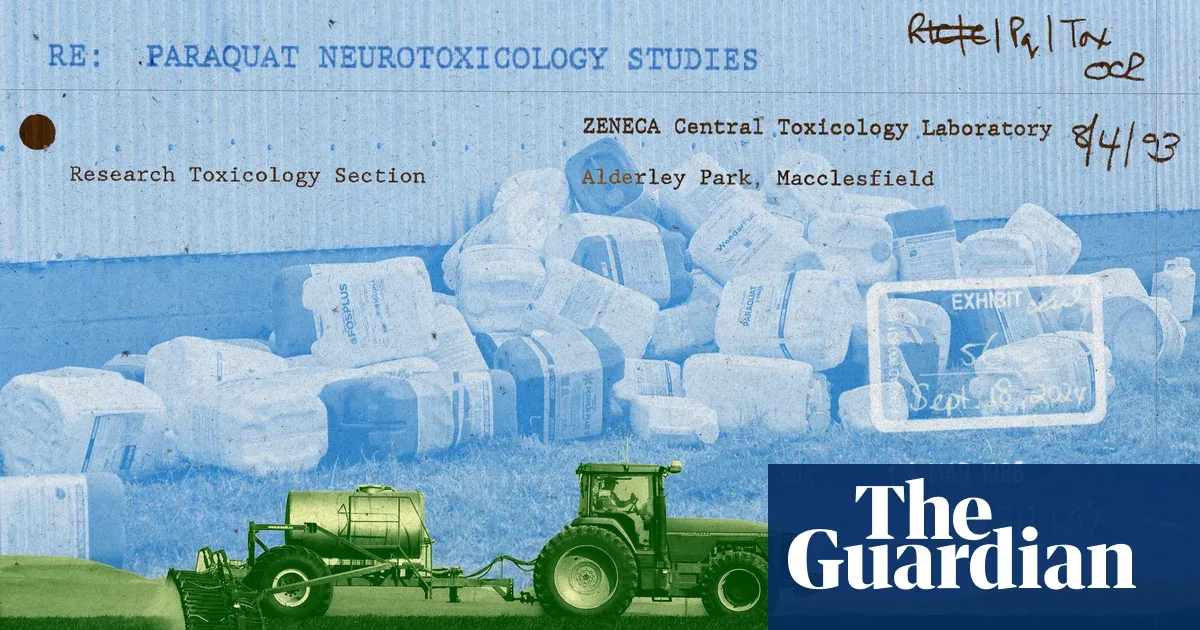
Syngenta, the Swiss agrochemical giant, faces mounting legal pressure in the United States after thousands of pages of the company's internal documents were made public in litigation in a Pennsylvania state court. The documents show that a series of research findings on the health risks of paraquat—a herbicide banned in more than 70 countries—were never submitted to the US Environmental Protection Agency (EPA), despite federal rules requiring it.
The roughly 3,700-page file contains company records, deposition transcripts, and internal correspondence that reveal how Syngenta defended paraquat's position in the US market while other countries closed their doors one by one. Between 2000 and 2018, paraquat use in the US nearly tripled, in contrast to the global trend of tightening bans.
Among the findings not reported to the EPA were analyses of how quickly the substance penetrates unlined clothing, the speed at which it is absorbed through the skin and into the bloodstream of spraying farmers, and data showing that mixing paraquat with surfactants increases the chemical's absorption. Yet Syngenta's US product label actually recommends adding a surfactant before spraying to make the herbicide more effective.
In one document, a Syngenta scientist in 2007 called the urine evaluation results of spraying farmers "bad news from any point of view". Two farmers in the small group showed paraquat levels far exceeding the acceptable operator exposure threshold. The company argued that the substance is quickly excreted from the body through urine and that the case did not represent normal use.
"When a pesticide company knows from its own studies that its product is dangerous and does not tell the public or regulators, they knowingly contribute to people getting sick and dying," said Tracey Woodruff, a professor of epidemiology and population health at Stanford University School of Medicine.
Syngenta denies all the allegations. The company insists it never deliberately withheld relevant and required information from the EPA or other regulatory authorities worldwide, and says it has always complied with the agency's data requests. It also maintains there is no real link between paraquat and Parkinson's disease, and that the decision to stop sales was driven purely by market factors. The EPA itself said it cannot speculate on the impact of the additional information on its assessment, but stressed that every company is required to report unexpected adverse effects—and failure to do so is a violation of federal law.
Criticism of the EPA has grown because the agency has long relied on safety data supplied by pesticide manufacturers rather than independent research. China, which in fact owns Syngenta, took a different path: in 2012 it began a phased withdrawal and banned paraquat for domestic use in 2016 after skin and inhalation toxicity tests it funded itself. According to the deposition of Syngenta scientist Phil Botham, China's move to conduct studies without the company's knowledge was considered "concerning"—and the EPA never ran similar tests.
For Indonesia, this issue is not merely an event in a distant country. A number of herbicide products with paraquat as an active ingredient are still circulating in the domestic agricultural market and are used on plantations and food crop land. Pesticide regulation in the country follows principles similar to FIFRA in the US—namely the obligation to report adverse effects after marketing authorization. If global manufacturers are proven to have withheld data, the same risk could occur in any jurisdiction with weak oversight capacity, including Indonesia. Smallholder farmers are the most vulnerable because personal protective equipment is often inadequate.
Legal pressure in the US has not eased. One lawsuit that served as the basis for unsealing the documents was indeed dismissed by a judge earlier this month because the plaintiff was deemed to have insufficient evidence of exposure, but thousands of other cases are still ongoing. Syngenta itself has announced it will halt all global paraquat production this year, though other suppliers continue to sell similar products in the US. The question now: will regulators in developing countries, including Indonesia, re-evaluate paraquat approvals with independent data—or continue to rely on safety claims from parties with an interest in selling it?