Xiaomi 18 Pro Takes On Samsung: SuperPixel 2.0 Privacy Display Set for Global Launch
Baca dalam 60 detik
- Xiaomi 18 Pro resmi diperkenalkan dengan teknologi layar privasi SuperPixel 2.0, menjadi pabrikan Android kedua setelah Samsung yang mengadopsi fitur serupa.
- Pendekatan pixel-level Xiaomi diklaim lebih unggul karena tidak mengorbankan kecerahan dan ketajaman layar, berbeda dari keluhan pada Galaxy S26 Ultra.
- Peluncuran global dijadwalkan akhir tahun ini, membawa persaingan fitur privasi ke pasar ponsel premium dunia, termasuk Indonesia.
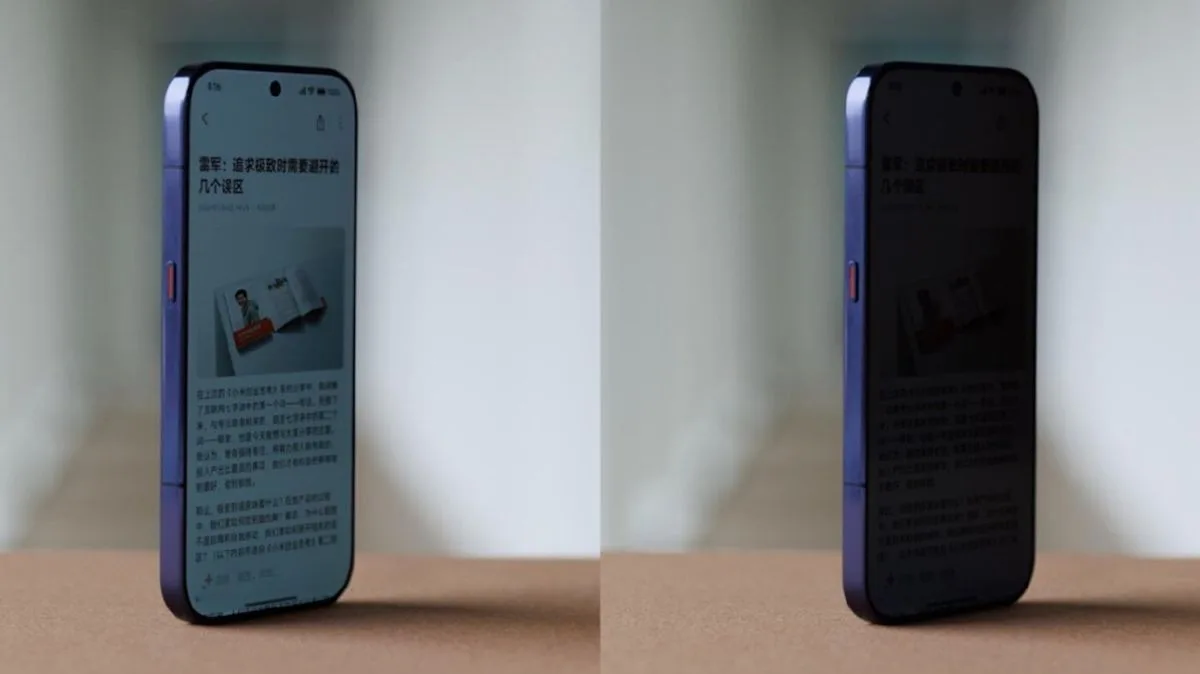
Xiaomi has officially unveiled the Xiaomi 18 Pro, its first flagship phone to feature a pixel-level privacy display, marking an aggressive move by the Chinese brand to take on Samsung in the premium phone segment. The technology, called SuperPixel 2.0, lets users hide notifications or sensitive content from prying eyes without needing an extra screen protector.
Xiaomi's move follows Samsung, which introduced a similar feature on the Galaxy S26 Ultra about six months earlier. However, Xiaomi claims its solution is more mature: the SuperPixel 2.0 panel uses a combination of standard wide-angle pixels and dedicated narrow-angle privacy pixels. When privacy mode is active, the standard pixels are turned off, so anyone viewing the screen from an angle of more than 60 degrees cannot read its contents. The approach is claimed not to sacrifice display quality at normal viewing distances.
This difference is the main selling point. Some reviewers had previously complained that the privacy mode on the Galaxy S26 Ultra made the screen look darker and grainier. Xiaomi answers this with a new-generation M11 luminescent material that supports peak brightness of up to 4,000 nits and BT.2020 color coverage, a standard commonly found on high-end OLED panels.
Beyond privacy, the Xiaomi 18 Pro brings a set of specifications that place it at the top of the Android market. The phone is one of the first devices to use Qualcomm's newly announced Snapdragon 8 Elite Gen 6 processor. The memory configuration reaches 16 GB RAM and up to 1 TB of internal storage, enough for heavy multitasking and high-resolution media storage.
In photography, Xiaomi has partnered with Leica for a triple rear camera system: a 200 MP main lens with the Light Fusion 960L sensor, a 200 MP telephoto lens with 3.2x optical zoom, and a 50 MP ultrawide sensor. A 50 MP front camera completes the package, but users can also use the main camera for selfies thanks to the 2.86-inch secondary OLED display on the back of the phone, which runs at a 120 Hz refresh rate. This additional screen also allows interaction when the phone is face down.
On the power side, Xiaomi equips the 18 Pro with a 7,000 mAh battery, one of the largest capacities in the flagship class. 100W wired and 50W wireless fast charging promise short charging times. For the Chinese market, the price starts at around US$900 to US$1,500, depending on the configuration. Xiaomi confirms the phone will be available globally, though international pricing details have not been announced. The launch in markets outside China is expected by the end of this year at the latest.
"We want to make sure users don't have to compromise between privacy and display quality," a Xiaomi representative said in the official announcement, as quoted from a press release.
The arrival of the Xiaomi 18 Pro underscores a new trend in the phone industry: screen privacy features are becoming a differentiator in the premium segment. Until now, users who wanted to protect their screens from snooping had to sacrifice visual quality by applying a physical privacy protector. Pixel-level technology offers a solution without extra accessories, something that could be a major selling point for corporate customers and users who often work in public spaces.
For the Indonesian market, Xiaomi's move could potentially change the landscape of flagship phone competition. Xiaomi is known for being aggressive in offering devices with high specifications and competitive prices. If the 18 Pro enters officially, consumers in the country will have an alternative to Samsung and Apple for screen privacy features. However, the challenge lies in the readiness of the local ecosystem: after-sales service, spare parts availability, and long-term software update support. The Indonesian government is also pushing for higher local content (TKDN) for 5G devices, which could affect Xiaomi's launch strategy.
Globally, competition in screen privacy features is predicted to heat up. Apple is reported to be developing similar technology for future iPhones, while Samsung will likely refine its implementation in the next generation. The question is whether this feature will become a new standard across all premium phones, or remain exclusive to the highest-end models. What is clear is that the Xiaomi 18 Pro has opened a new chapter in the race for display innovation.