Gospić Residents Fight Waste Mafia: 35,000 Tons of Toxic Trash and the 'Forever Chemicals' Threat
Baca dalam 60 detik
- Warga Gospić, Kroasia, menggelar aksi massa menuntut pembersihan 35.000 ton limbah berbahaya yang terkubur sejak 2022-2024.
- Laporan kesehatan menemukan PFAS dan logam berat di air tanah, memicu kekhawatiran kanker dan krisis kepercayaan air minum.
- Setelah 13 penangkapan, lokasi masih tercemar; kampanye 'Gospić is our home' akan berunjuk rasa di Parlemen Eropa, menuntut tenggat dan aksi nyata.
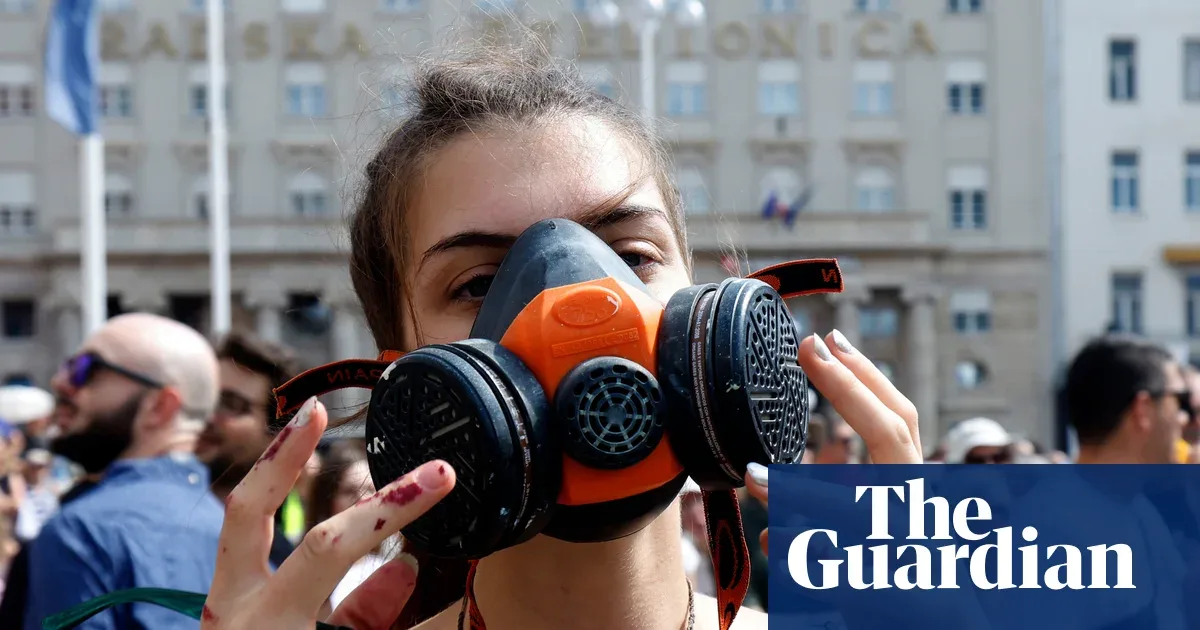
Thousands of Croatians took to the streets in Zagreb on 5 September, demanding the government clean up piles of toxic waste illegally dumped in Gospić, a small town in the Lika mountain region. The rally, attended by around 40,000 people, marked the peak of public anger after years of inaction over cross-border waste dumping that has reaped millions of euros in profit.
Between 2022 and 2024, an estimated 35,000 tons of waste—some of it hazardous—were buried at several sites in Gospić. One of the largest sites sits just 50 meters from the home of Željka Šikić, a local resident. Trucks loaded with waste routinely passed in front of her house at night, heading to a nearby industrial zone. The activity escaped the authorities' watch, but not the residents' eyes. They took turns keeping watch through the night to photograph vehicles entering and leaving the site.
“I don't think we should be the ones staying up all night to monitor what is happening,” Šikić said, as quoted in a report by The Guardian. She and other residents feel betrayed because local authorities and police are seen as slow to respond.
Residents' fears proved justified. A recent report by the Croatian Institute of Public Health found PFAS compounds—known as "forever chemicals"—in groundwater samples around the site. Concentrations of copper and lead in the soil were also recorded as high. PFAS are a group of thousands of synthetic chemicals linked to various serious diseases, including several types of cancer, and are difficult to break down in the environment.
Although the government guarantees drinking water is safe, distrust has led many residents to switch to bottled water. “I am very afraid. I want to move house, but who would want to buy a house on the first street near that waste? I feel betrayed,” Šikić said.
In February 2025, police arrested 13 people suspected of being part of an environmental crime network. Two main suspects, Croatian nationals, were placed on Europol's priority target list for allegedly organizing hazardous waste imports from Italy, Slovenia, and Germany. Waste crime is indeed big business: criminal networks exploit the high cost of proper waste processing, then falsify documents to claim the waste as recyclable material, pocketing the cost difference.
Residents hope the arrests mark a turning point. But 18 months later, the site has still not been cleaned up. With frustration mounting, Šikić and 16 other residents formed the movement “Gospić is our home”. They brought in people from various professional backgrounds, aware that the issue is complex and requires a multidisciplinary approach.
“We gathered people from various fields because from the start we knew this would be very complicated and would require a multidisciplinary approach,” said Ivana Rukavina Sarić, a campaign member.
After spreading information through social media and the Croatian press, their campaign went national. Sarić said she receives daily calls from other communities facing similar problems. “There are so many waste sites across Croatia and many people face the same problem. The problem in Gospić is the drop of water that made the glass overflow. This has become a national, even global, problem,” she said.
The issue does not stop at Croatia's borders. The United Nations estimates that 15% to 30% of waste shipments in the European Union are illegal. A recent investigation by The Guardian revealed that irrigation canals in Turkey—the main destination for British waste exports—are contaminated with microplastics. This pattern shows that waste crime is a global supply chain involving many countries, including Indonesia, which is often a destination for illegal waste dumping from developed nations.
For Indonesia, the Gospić case is a mirror. Several regions in the country, such as East Java and Banten, have been sites for illegal hazardous waste dumping from abroad. Weak port oversight and law enforcement allow the practice to continue. Public pressure and transparency of environmental data are key to preventing similar cases from recurring.
The “Gospić is our home” campaign demands full remediation and the removal of buried waste. They also urge that all waste sites in Croatia be included in a national strategy. The government has opened two procurement procedures for the removal, disposal, or recovery of the waste. But because the waste is still there after four years, the group plans to continue its protests at the European Parliament in Brussels.
“We have already lost a lot of time, there is no time for promises anymore,” Sarić said. “We want clear information, clear deadlines, and real action.” The Croatian government did not respond to a request for comment.
The case leaves a big question: will public pressure and international scrutiny force the government to act, or will the toxic waste remain buried while residents continue to bear the health risks? For many countries, including Indonesia, the lesson from Gospić is that environmental crime knows no borders—and weak law enforcement only enriches syndicates while sacrificing communities.