House Pushes Police and Audit Board to Uncover "Luxury Apartment" at Cibinong Prison
Baca dalam 60 detik
- Anggota Komisi III DPR RI Abdullah meminta Polri menyelidiki dugaan pelanggaran pidana dan administrasi di Lapas Cibinong.
- Audit BPK dinilai menjadi pintu masuk untuk membongkar potensi penyimpangan anggaran dan aset di lingkungan pemasyarakatan.
- Temuan Ombudsman RI mengungkap lebih dari 10 kamar berfasilitas lengkap yang terpisah dari blok hunian warga binaan biasa.
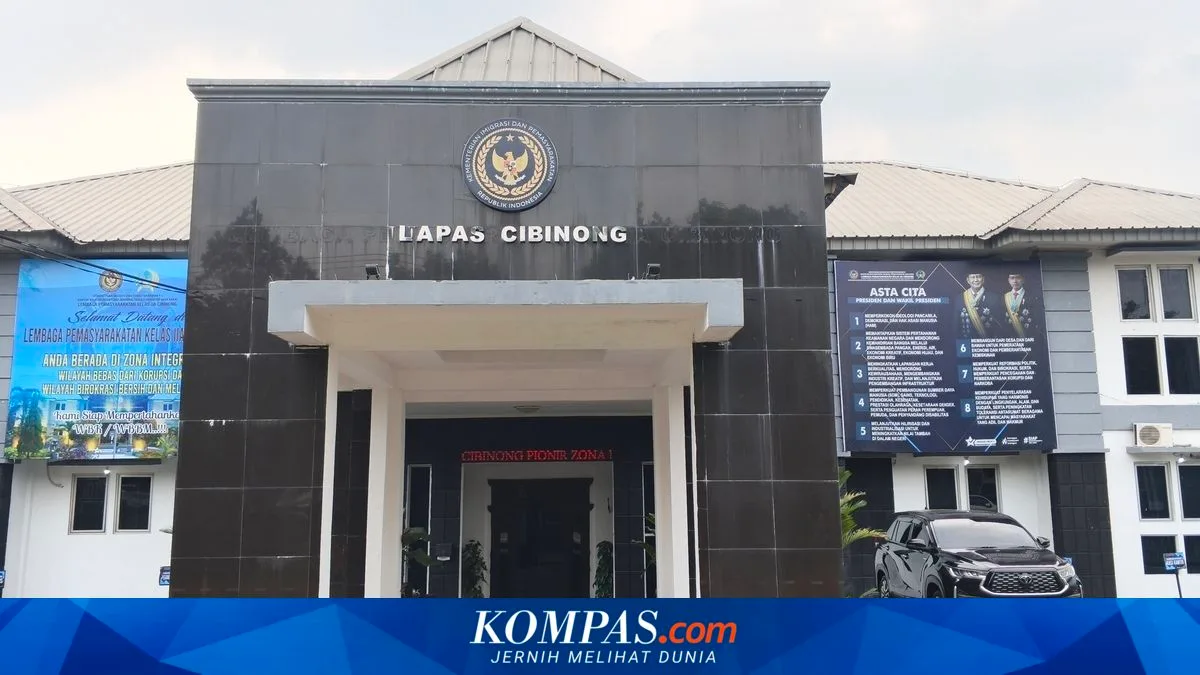
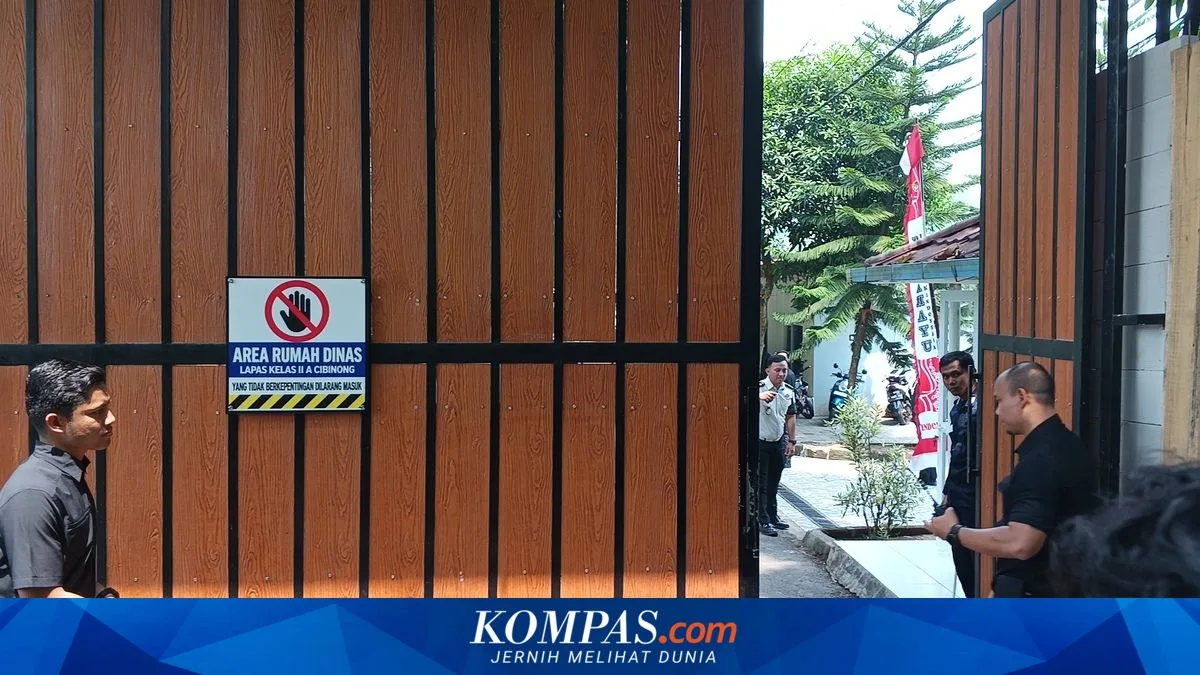
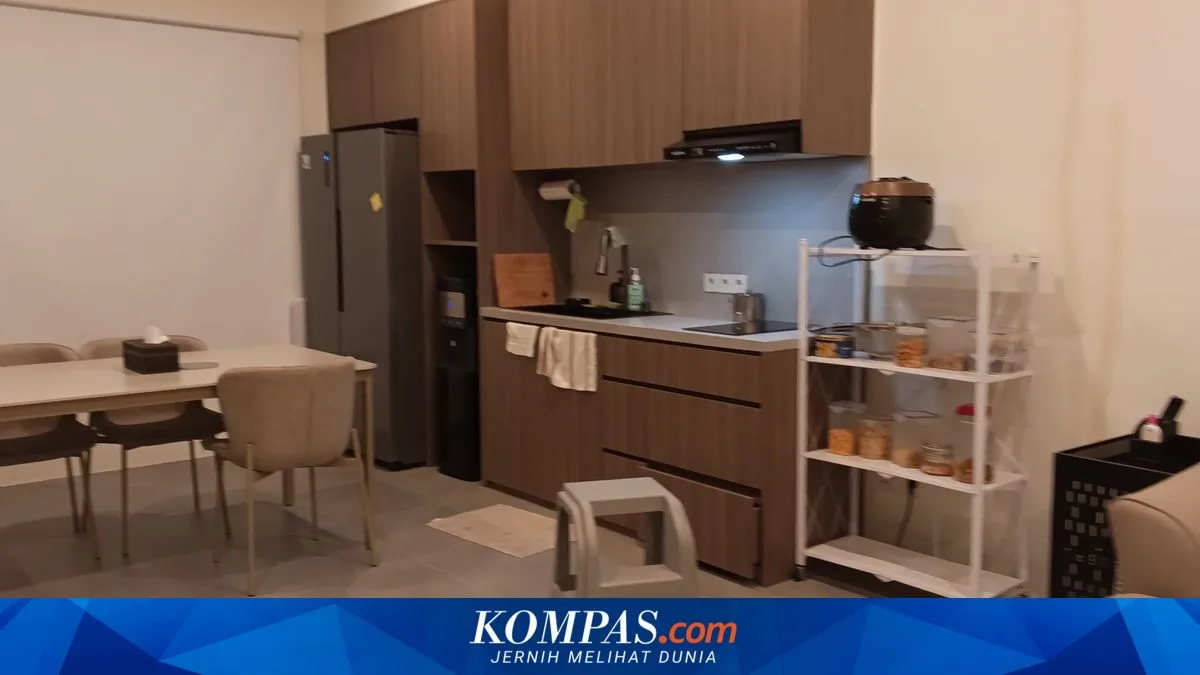
Member of Commission III of the Indonesian House of Representatives (DPR RI), Abdullah, is urging the National Police (Polri) and the Supreme Audit Agency (BPK) to step in and investigate alleged violations at the Class IIA Cibinong Correctional Facility (Lapas) in Bogor Regency, West Java. The push came after the Indonesian Ombudsman found a number of facilities described as apartment-standard inside the prison complex.
In a written statement on Thursday (24/9/2026), Abdullah argued that the Ombudsman's findings could not be resolved through an internal review by the Ministry of Immigration and Corrections alone. According to him, there are indications of both administrative and criminal violations that need to be investigated separately by law enforcement. "Polri must thoroughly investigate this case by conducting inquiries and deepening its probe into the various alleged violations found by the Ombudsman," he said.
The legislator from the National Mandate Party (PAN) faction also highlighted the importance of a BPK audit to trace budget and asset management at Cibinong Prison. In his view, without an independent audit, it is difficult to determine whether the luxury facilities were built using official funds, third-party donations, or other practices that violate the rules. "If we want to realize prison governance that is transparent, accountable, and anti-corruption, the BPK audit is one of the entry points," Abdullah said.
The Ombudsman's findings began with a second surprise inspection (sidak) conducted in 2026. During the first inspection, the Ombudsman team was not allowed to enter the prison area. Indonesian Ombudsman member Fikri Yasin revealed that the luxury facilities were located at the rear of the complex and separate from the general housing blocks for inmates. He said there were more than 10 rooms spread across several points, complete with household furnishings such as televisions, refrigerators, and cooking equipment.
This situation has raised questions about oversight in the correctional system. Prisons should be places of rehabilitation with security standards and equal treatment for all inmates. The presence of exclusive facilities inside them could create inequality and open room for abuse of authority. Abdullah stressed that the Directorate General of Corrections and Polri must transparently report the progress of handling this case to the public in accordance with statutory regulations.
"To uncover and prove these alleged administrative and criminal violations, the Directorate General of Immigration and Corrections and Polri must transparently report the progress and results of handling this case to the public in accordance with statutory regulations."
— Abdullah, Member of Commission III of the Indonesian House of Representatives
For readers in Indonesia, this case is not merely an internal matter of one prison. It directly touches on issues of state budget governance, the integrity of officials, and public trust in the correctional system. If the alleged irregularities are proven, there is potential for state losses from the construction or maintenance of facilities that should not exist. For investors and businesses, signals of governance improvement in the law enforcement sector are an important indicator of investment climate stability, particularly regarding legal certainty and corruption eradication.
Moreover, the push for a BPK audit shows that this issue could spill over into the fiscal realm. BPK has the authority to audit state financial management at ministries and institutions, including Cibinong Prison. If irregularities are found, BPK recommendations could trigger further legal proceedings and improvements to the oversight system. The public also has an interest in ensuring there is no impunity for anyone who abuses state facilities.
Going forward, public attention will be on the steps taken by Polri and BPK. Will the investigation stop at an administrative review, or escalate to a criminal probe? And just as important, will the findings in Cibinong become an entry point for comprehensive reform at other prisons that have so far escaped oversight?