From the Tilcayo Cat to the Spider Wasp: Nature's Often-Missed Signals
Baca dalam 60 detik
- Spesies kucing liar baru, Leopardus tilcayo, resmi diidentifikasi di Bolivia setelah lebih dari seabad tanpa penemuan serupa.
- Fenomena 'pengungsi iklim' merambah ke dunia serangga: wasp spider pertama kali terlihat di Inggris utara, memicu kekhawatiran Chester Zoo.
- Fat Bear Week 2026 di Alaska kembali digelar, menjadi barometer kesehatan ekosistem Arktik di tengah krisis iklim.
The world of wildlife recorded two significant events in the past week: the identification of a new wild cat species in Bolivia and the appearance of the wasp spider in northern England. Both are more than just taxonomic records; they are markers that climate change and human activity are reshaping the map of life on Earth.
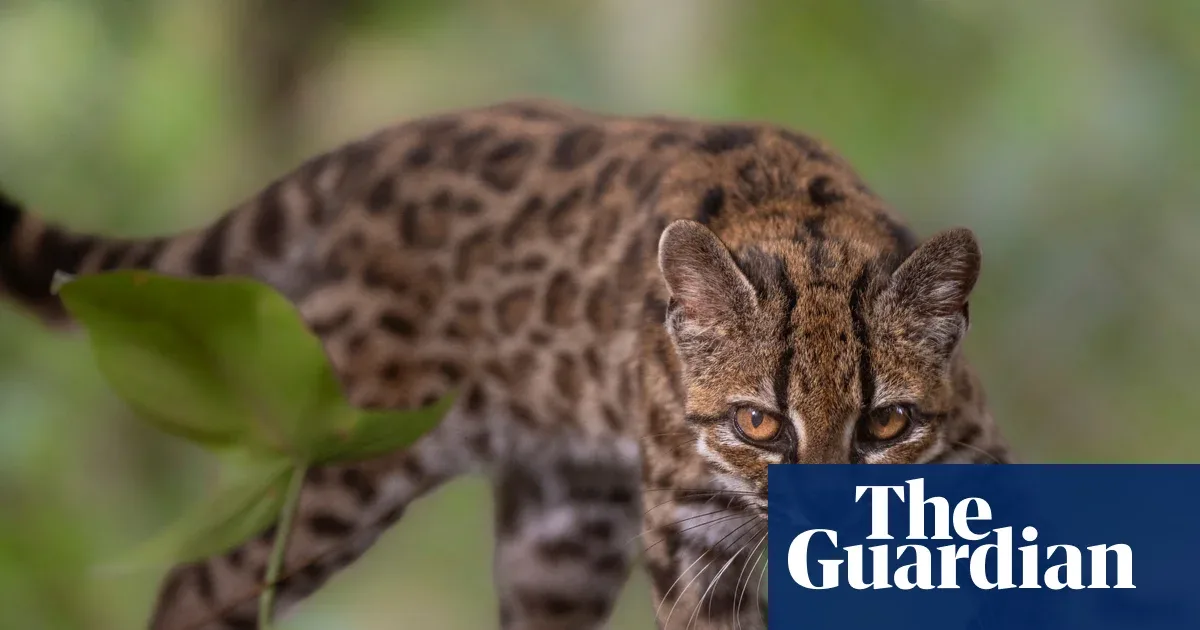
Leopardus tilcayo, as the wild cat species found in the cloud forests of Yungas, Bolivia, is named, is the first new wild cat to be formally described in more than 100 years. It measures only about 46 centimeters and weighs 1.4 kilograms—smaller than an average domestic cat. According to reports cited from National Geographic and Reuters, the animal was initially thought to be an ordinary wild cat by a resident in La Paz who cared for it, before its unusual behavior revealed its true identity.
The discovery matters not only because it adds to the global biodiversity list. The Yungas forest, where the tilcayo lives, is a humid mountain ecosystem often shrouded in clouds. The area is threatened by deforestation and changing rainfall patterns. The presence of a new species in a relatively isolated region shows that there are still large gaps in knowledge about fauna in parts of the world that are rarely studied.
Meanwhile, in Cheshire, northern England, staff at Chester Zoo recorded the appearance of the wasp spider (Argiope bruennichi) for the first time. The spider was previously found only in southern and western England. A zoo official described it as larger than a large house spider and called it part of a wave of 'climate refugees'—species forced to move habitat because of warming global temperatures.
"You know the big house spiders that scare you? The female wasp spider might be a bit bigger than that," said the Chester Zoo official, as cited from the source.
This phenomenon is not new in Europe. Global warming has pushed various insect and bird species to move north. However, the appearance of the wasp spider in northern England indicates that the pace of climate change is now fast enough to alter the composition of local ecosystems on a scale of decades, not centuries.
Elsewhere in the world, Fat Bear Week 2026 at Katmai National Park, Alaska, is being held again for the 13th time. The annual competition invites the public to vote for the fattest brown bear ahead of winter hibernation. Though it seems lighthearted, the event serves as an indicator of bear population health and food availability in the wild. This year, attention is also focused on increasingly intense bear-human interactions, such as a family of black bears swimming in a backyard pool in Los Angeles.
According to reports, in California, expanding settlements and a climate crisis that disrupts bear food sources are making the animals enter residential areas more frequently. This phenomenon poses a new conservation challenge: how to maintain a safe boundary between humans and wildlife without sacrificing either side.
For Indonesia, these dynamics have direct relevance. As a megabiodiversity country, Indonesia faces similar pressures: deforestation, climate change, and agricultural expansion that push animals such as the Sumatran tiger, orangutan, and Bornean elephant to the brink of conflict with humans. The lessons from Bolivia and England show that new species discoveries and habitat shifts are not just environmental news, but early warnings for national conservation policy.
Going forward, the question is no longer whether species will continue to move in response to climate change, but how quickly countries like Indonesia can strengthen biodiversity monitoring systems and wildlife corridors before the next wave of 'climate refugees' arrives in our backyards.