From Abandoned Golf Course to Bird Sanctuary: Sandilands Now a Migration Magnet on England's East Coast
Baca dalam 60 detik
- National Trust mengubah bekas lapangan golf Sandilands di Lincolnshire menjadi cagar alam sepanjang 2 km dengan lahan basah dan kolam dangkal.
- Sejumlah spesies burung seperti avocet, plover, dan harrier rawa langsung bersarang setelah fairway dan bunker dialihfungsikan.
- Proyek ini menelan dana publik £3,7 juta dan diproyeksikan menjadi titik penting di jalur migrasi East Atlantic Flyway.
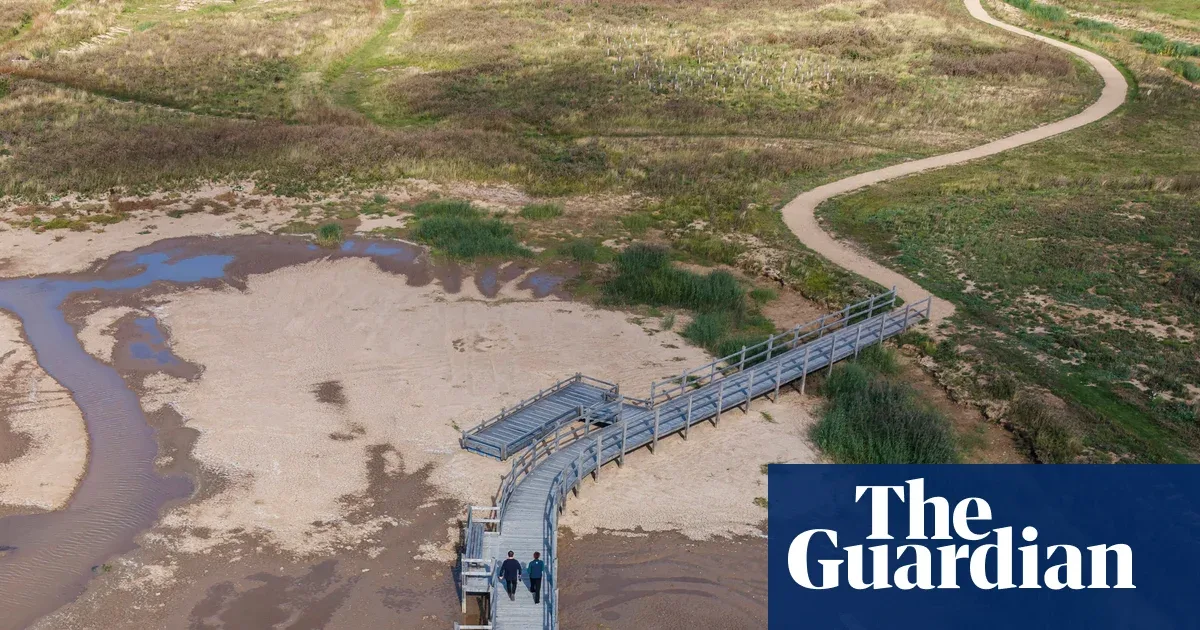
The Sandilands golf course on the Lincolnshire coast, England, officially changed function into a 2-kilometer nature reserve last Saturday. The National Trust, England's heritage conservation organization, converted fairways and bunkers into wetlands, shallow pools, wild grassland, and coastal scrub. This change is not merely landscaping, but an ecological restoration effort that immediately drew the attention of birdwatchers.
Since construction work finished, a number of birds have inhabited the area. Little ringed plover and avocet were recorded nesting this summer, while marsh harrier was seen hunting over the reserve. Other species such as water rail, sandwich tern, and spotted redshank were also reported stopping by. According to Katie Scott, the National Trust ranger for the Sandilands area, this transformation proves that nature has remarkable powers of recovery. "It's very exciting. From a flat golf course with grass that was always mown, many new plant species have now appeared simply because we let the grass grow," she said.
Sandilands is not just an environmental project. The area sits on the edge of Mablethorpe, a coastal town considered relatively deprived. The private golf club, which had stood since 1894, went bankrupt in 2018, and the National Trust moved quickly to prevent the land from being built up into a caravan park or commercial property. Now, an area once accessible only to a few hundred club members has been opened to the public. Local residents welcomed the change. Anstee Stratigou, the National Trust's community participation manager, said dozens of people signed up as volunteers as soon as the project office opened. "They knocked on the door and wanted to get involved," he said.
Sandilands' success is inseparable from its strategic position. The area lies within the East Atlantic Flyway, one of Europe's most important bird migration routes. Every year, thousands of birds fly from the Arctic and northern Europe to warmer wintering grounds in the south. With the new pools and marsh, Sandilands has become a safe stopover for rare migrant species. The National Trust also planted tens of thousands of native shrubs to provide shelter and a food source. Highland ponies will be brought in to graze in a controlled manner, and natterjack toad—a rare toad species—is planned for release once the pool habitat is ready.
"I grew up around here and it used to be just an ordinary golf course. Now the nature is really alive and the birds are back. It's amazing, even though it takes hard work," said Sue Cushen, a volunteer.
Even so, not everyone accepted the change right away. Some residents complained about the abundance of thistles and ragwort growing wild. Scott explained that these pioneer plants will dominate for one to two years before being replaced by the natural cycle of perennial grasses and flowers. Volunteers even spent most of the summer pulling ragwort by hand. "We let the thistles be this year and there was actually an explosion of painted lady butterflies," Scott added. This approach shows that ecological restoration is not always instant and requires patience.
For Indonesia, the Sandilands story offers valuable lessons. Indonesia has plenty of abandoned land, including former industrial sites, mines, or plantations that are no longer productive. Ecological restoration of this kind can be an alternative for nature-based development that involves local communities. In addition, Indonesia lies on the East Asian-Australasian bird migration route, which also faces pressure from coastal land conversion. The collaboration model between government, nonprofits, and residents seen at Sandilands could be adapted for coastal areas in Sumatra, Kalimantan, or Nusa Tenggara.
Going forward, Sandilands will face the test of whether its new ecosystem can survive and thrive. The National Trust hopes the area will not only be a tourist destination, but also a center for research and environmental education. The question is whether projects like this will be replicated on more former commercial land around the world, including Indonesia, or remain an exception dependent on short-term funding.