Deputy Religious Affairs Minister Questions Bechi's Parole, Seeks Re-verification of Jombang Pesantren
Baca dalam 60 detik
- Wakil Menteri Agama Romo Muhammad Syafi'i mempertanyakan dasar pemberian bebas bersyarat kepada Moch Subchi Azal Tsani alias Bechi, terpidana kekerasan seksual santriwati di Jombang.
- Kementerian Agama akan memverifikasi status kelembagaan dan tata kelola pesantren tempat kasus terjadi, termasuk pemenuhan syarat UU Pesantren.
- Langkah ini menandai tekanan publik yang meningkat terhadap sistem pemasyarakatan dan perlindungan santri di lingkungan pendidikan agama.
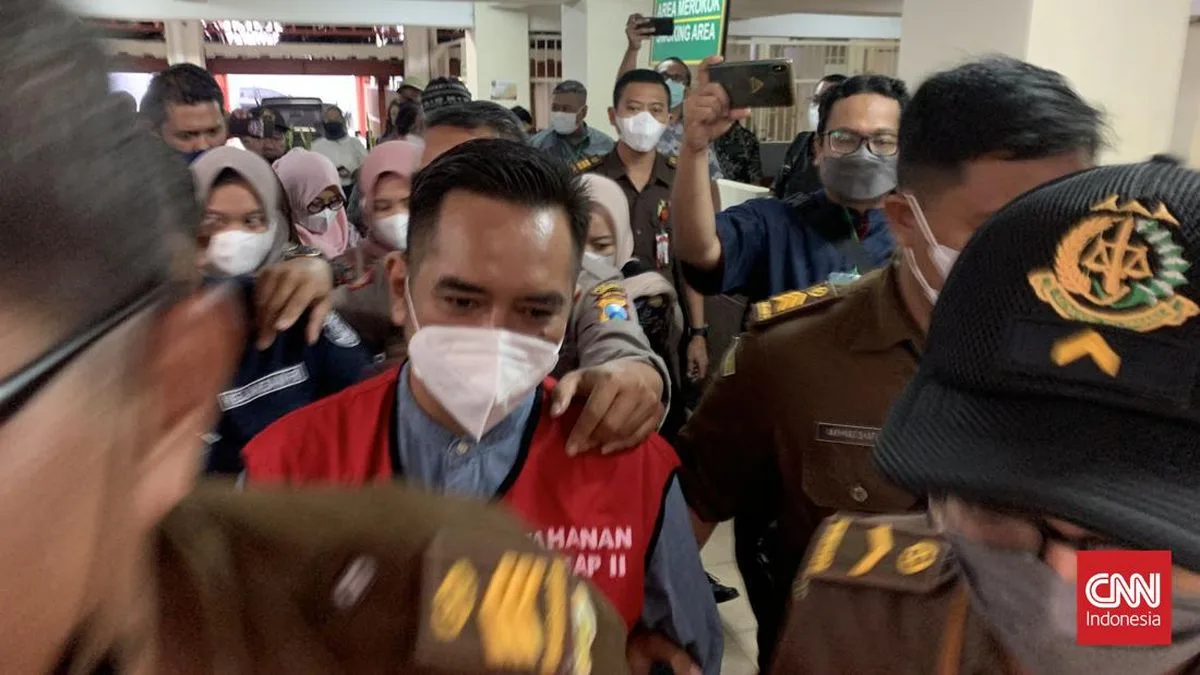
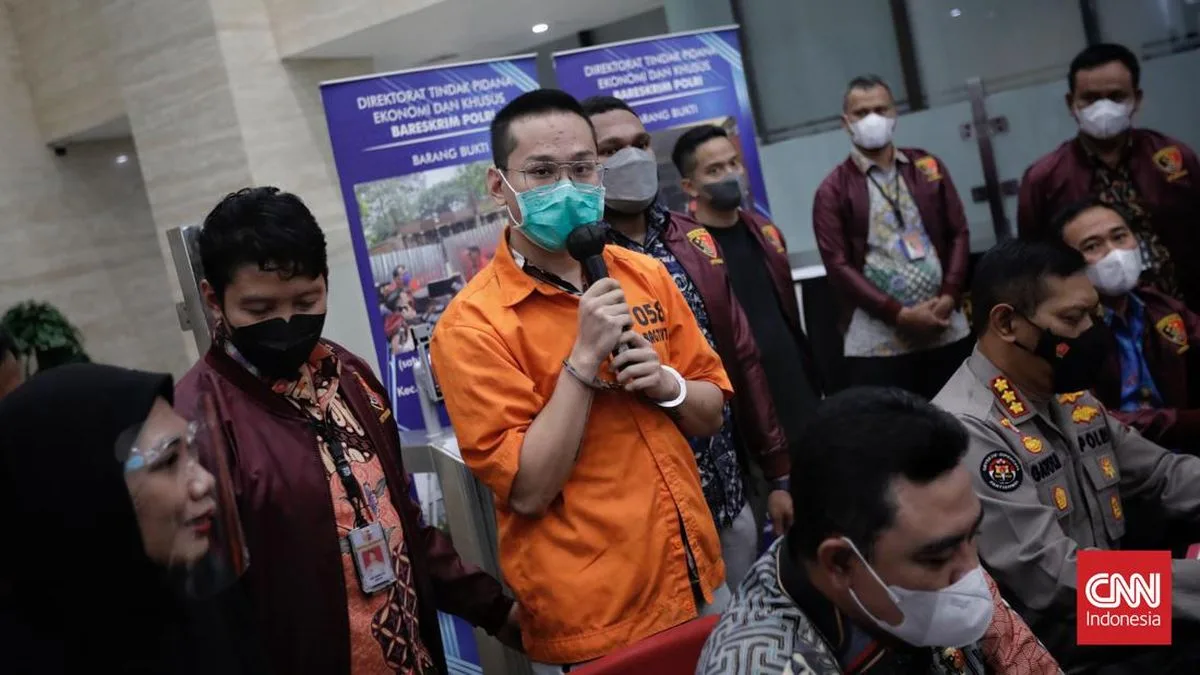
Deputy Minister of Religious Affairs Romo Muhammad Syafi'i has questioned the decision to grant parole to Moch Subchi Azal Tsani, also known as Bechi, who was convicted of sexual violence against a female student at a pesantren in Jombang, East Java. The stance was taken following reports that Bechi had walked free even though he had served only part of the seven-year sentence handed down by the Surabaya District Court.
According to Syafi'i, cases of sexual violence in pesantren must not be handled half-heartedly. He stressed that every perpetrator must face legal proceedings and be sanctioned in accordance with statutory provisions. "I regret the parole. I will immediately contact and coordinate with the ministry that has authority over correctional affairs to obtain an explanation of the process and the basis for granting the parole," he said in a written statement on Friday (25/9).
The statement signals that the Ministry of Religious Affairs does not want the case to pass without consequence. As the institution that oversees pesantren, the ministry has an interest in ensuring that religious educational institutions comply with the rules and guarantee the safety of students. Syafi'i argued that handling sexual violence cannot stop at a verdict against the perpetrator; it must also guarantee protection for the victim and the safety of other students.
The concrete step prepared by the Ministry of Religious Affairs is to ask the Directorate General of Pesantren to re-verify and re-evaluate the institutional status and operation of the pesantren in Jombang where the case occurred. The verification covers the pesantren's legality, administrative compliance, and its violence prevention and handling system. Syafi'i stressed that the check is not meant to judge the institution, but to ensure that governance and student protection are genuinely in place.
He also highlighted the importance of a safe complaint mechanism for victims. "Never ask victims to stay silent to protect an institution's good name. A pesantren's good name is built through the courage to uphold the truth, protect victims, and fix the system," he said. The statement implies criticism of an organizational culture that often covers up cases for the sake of reputation.
"Protection for students is non-negotiable. Public trust in pesantren must be maintained through real action, not mere statements." — Deputy Minister of Religious Affairs Romo Muhammad Syafi'i
The Bechi case itself has drawn national attention because it involves the son of an influential kiai in Jombang. The seven-year sentence is seen as disproportionate to the victim's suffering, and the parole obtained earlier has raised questions about consistency in law enforcement. In the correctional system, parole is not outright freedom; recipients remain bound by obligations and supervision. For the public, however, the policy feels contradictory to the commitment to protecting children and women.
From a policy standpoint, the Ministry of Religious Affairs' move touches two areas at once: pesantren oversight and cross-ministerial coordination. For aspects outside its authority, including the parole process, the ministry will coordinate with the relevant agencies. This shows that handling sexual violence in religious educational institutions cannot rely on a single ministry alone.
For Indonesian society, especially parents who entrust their children to pesantren, this case is a test of trust. Pesantren are institutions for education and moral development that should be safe spaces, not places of abuse of power. If verification finds discrepancies, administrative sanctions up to permit revocation could be consequences that must be taken.
Going forward, the public will await an official explanation from the correctional ministry on the basis for Bechi's parole, as well as the results of the Ministry of Religious Affairs' evaluation of the pesantren. The question is whether the state can ensure that justice for the victim is not outweighed by administrative considerations and power relations.