£1.5 Billion Ultimatum: London Gives Belfast Final Deadline, Local Parties Refuse
Baca dalam 60 detik
- Menteri Urusan Irlandia Utara Chris Bryant menetapkan paket pendanaan £1,5 miliar sebagai tawaran final dan meminta kesepakatan parlemen lokal paling lambat Kamis depan.
- Partai-partai di Stormont menilai angka tersebut belum menutup defisit fiskal yang mencapai £1,6 miliar, dengan DUP menyebut tenggat itu sembrono.
- Jika eksekutif gagal bersepakat, Westminster berpeluang mengambil alih penyusunan anggaran—langkah yang dapat memicu gejolak politik baru di Belfast.
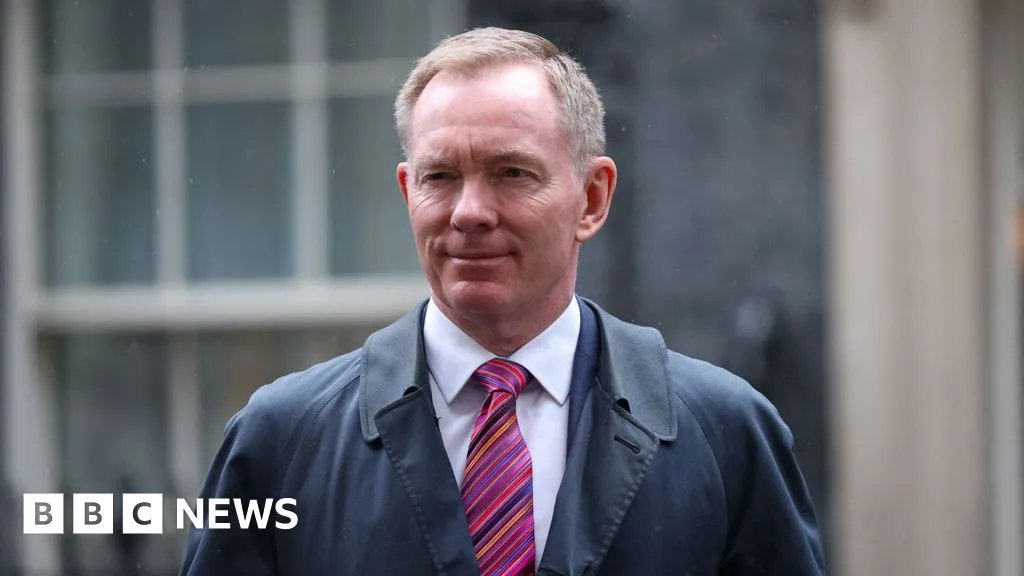
The UK government has closed the door on funding negotiations for Northern Ireland. Northern Ireland Secretary Chris Bryant has set a £1.5 billion package as a final offer and given the parties at Stormont until next Thursday to approve a budget.
Bryant said there was no further fiscal room available. "This is the final offer. It's a good offer," he told BBC Newsline, adding that the central government's financial position was very tight. He also prepared the most extreme option: if the executive fails to reach an agreement, Westminster can take over the budget process.
The £1.5 billion figure itself is a revision of the initial £1.1 billion proposal. The UK government raised the offer after pressure from the parties in Belfast, but the gap remains wide. Northern Ireland Finance Minister John O'Dowd previously said the fiscal pressure facing Stormont departments was around £1.6 billion—meaning London's offer is still about £100 million short of the minimum requirement.
The parties in the executive have not stayed silent. Diane Dodds of the Democratic Unionist Party (DUP) called the deadline "reckless" and "unrealistic". She challenged Bryant to be honest about the impact of public service cuts. "Will he let public services in Northern Ireland collapse, or sit down with the parties instead of judging through the media?" she told BBC The View.
Infrastructure Minister Liz Kimmins of Sinn Féin stressed that Northern Ireland has been "underfunded for more than a decade". She cited findings from the NI Fiscal Council showing Scotland and Wales receive funding above measured need, while Northern Ireland is at or slightly below the need threshold. "People here pay taxes, they are entitled to decent public services," she said.
Steve Aiken of the Ulster Unionist Party (UUP) argued that the "final offer" label does not automatically make it fair. According to him, even with extensive savings, the annual funding offered is barely enough to cover pressures in the health sector alone. "It lays bare the scale of the executive's problems," he said.
"If it is impossible to set a budget through the executive, then someone else has to do it for them." — Chris Bryant, Northern Ireland Secretary
This crisis is not just about numbers. Northern Ireland has long faced structural fiscal inequality: its tax receipts do not match its public spending needs, especially for health and infrastructure. The UK government has repeatedly stressed that the national budget is tight, so Belfast's demands for additional funding are seen as unrealistic.
On the other hand, local parties argue that cuts will worsen residents' quality of life. They demand service standards equal to other parts of the United Kingdom. Bryant himself said the executive needs to consider new revenue sources, but was reluctant to detail options such as water charges—a highly sensitive policy in Northern Ireland.
For Indonesia, this dynamic mirrors how central and regional governments often clash over fiscal transfers. When the center holds budget control, high-need regions often feel ignored. However, unlike Indonesia, which has General Allocation and Special Allocation Fund mechanisms, Northern Ireland does not have full fiscal autonomy. This creates dependence on London that can trigger prolonged political tension.
If the executive fails to agree on a budget, Westminster can impose a direct budget. That step would set a bad precedent for devolution in the United Kingdom and increase anti-London sentiment in Belfast. Conversely, a timely agreement could ease tensions, though only temporarily.
The question now is: will the parties at Stormont soften to avoid Westminster intervention, or will they hold firm and let the budget crisis drag on? Next Thursday's decision will determine Northern Ireland's fiscal direction—and possibly the region's political stability.