Blok M Revival: MRT Jakarta's Strategy Turns a Dead Corridor Into a New Economic Hub
Baca dalam 60 detik
- MRT Jakarta mengubah kawasan Blok M yang sempat terbengkalai menjadi Blok M Hub dengan 25.000 pengunjung harian dan 242 tenant.
- Keberhasilan revitalisasi ini menunjukkan potensi Transit-Oriented Development (TOD) dalam menggerakkan ekonomi lokal dan UMKM.
- Model pengelolaan Blok M Hub dapat menjadi cetak biru bagi pengembangan kawasan serupa di kota-kota lain di Indonesia.
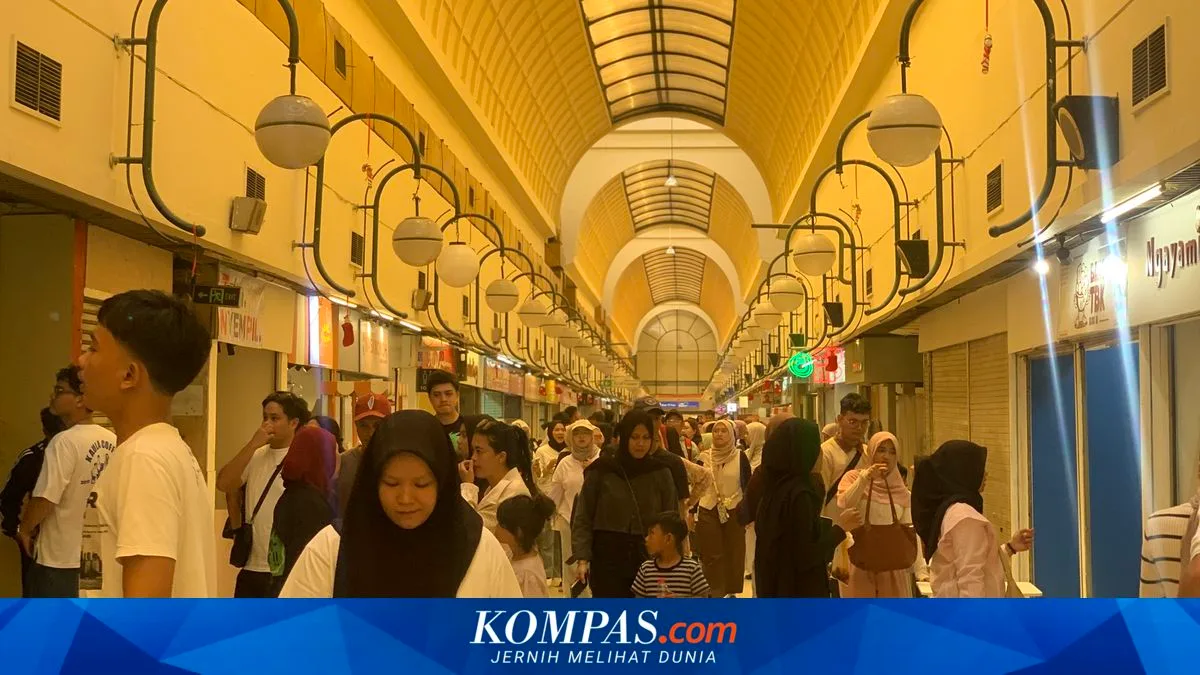
The Blok M area in South Jakarta, which had lost its prestige for years, is once again a bustling center thanks to a transformation carried out by PT MRT Jakarta (Perseroda). The underground corridor that was once quiet and poorly maintained has been turned into Blok M Hub, an integrated public space connecting the Blok M Bus Terminal with the Blok M MRT Station.
This change did not happen overnight. Since early 2025, MRT Jakarta has been assigned through the DKI Jakarta Governor's 100-day program to manage the area. The Head of MRT Jakarta's Property Management Division, M. Iqbal Bimo Arifianto, recalled the area's initial condition, which was far from decent. "How dirty it was, and then how unkempt," he said during the MRTJ Fellowship Program 2026 session in Central Jakarta, Thursday (24/9/2026).
Now, Blok M Hub records around 25,000 daily visitors with more than 242 tenants, mostly culinary MSMEs that officially relocated starting at the end of 2025. The area's name has also changed to Blok M Hub Gojek after the ride-hailing company bought the naming rights. Bimo stressed that MRT Jakarta's work is not just about ensuring facilities function, but also about bringing in activations, tenants, communities, and various forms of engagement.
The success of Blok M Hub is a clear example of how Transit-Oriented Development (TOD) can drive the local economy. For investors and businesses, this area offers a golden opportunity to capture the surge in visits. However, challenges remain: maintaining consistent management so it does not decline again as in the past.
"How do we restore its glory days as before, perhaps in the 90s or earlier in the 2000s?" — M. Iqbal Bimo Arifianto, Head of MRT Jakarta's Property Management Division.
For readers in Indonesia, the Blok M story offers a valuable lesson about the importance of collaboration between local government, public transport operators, and the private sector. This model can be replicated in other cities that have abandoned assets around transport nodes. With the right approach, dead space can become a new center of economic growth.
Going forward, MRT Jakarta plans to expand a similar concept to other areas along the MRT line. The question is, can Blok M Hub maintain its momentum and become a catalyst for the revival of other urban areas in Indonesia?