PDI-P Proposes Legislative Election First, Presidential Race Later: Strategic Maneuver or Loophole Hunting?
Baca dalam 60 detik
- Said Abdullah mengusulkan pemisahan jadwal pileg dan pilpres, dengan pileg digelar lebih awal untuk memberi ruang publik mengenal caleg.
- PDI-P menilai coattail effect tidak terbukti signifikan, sehingga pileg sering kalah pamor dari pilpres.
- Wacana ini berpotensi mengubah lanskap politik 2029 dan perlu dikaji matang sebelum masuk pembahasan resmi.
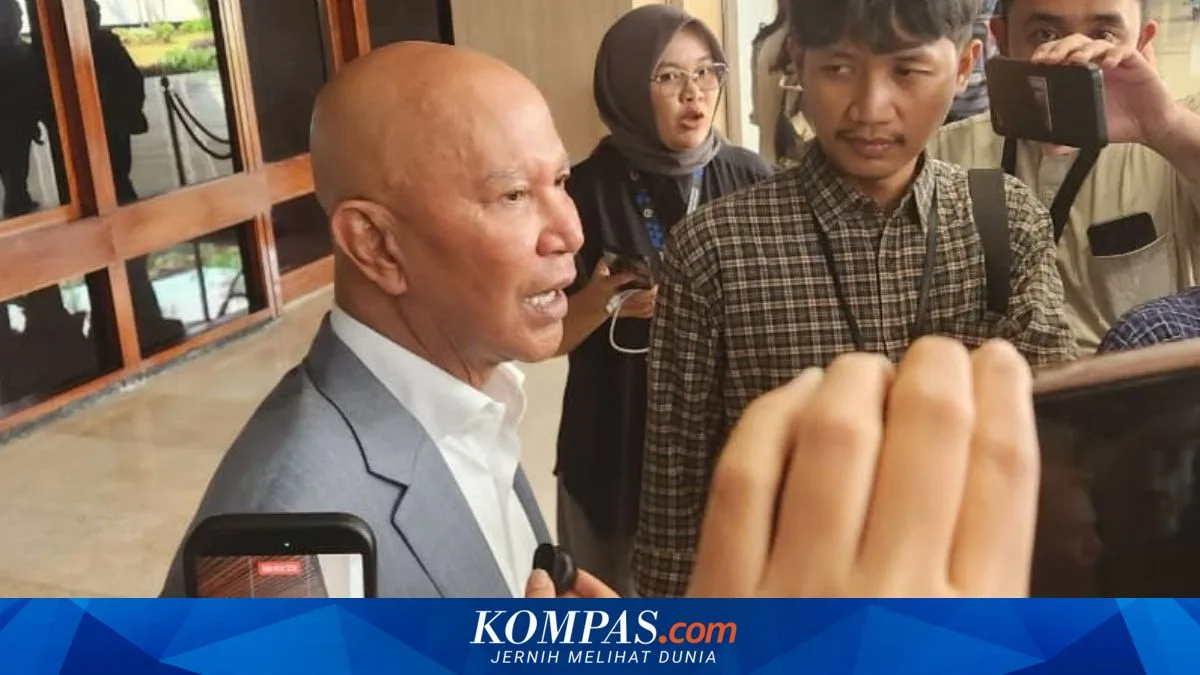
PDI-P Central Executive Board chairman Said Abdullah has proposed that the legislative election (pileg) be held first, followed by the presidential election (pilpres). The idea was floated at the Parliamentary Complex in Senayan, Jakarta, on Thursday (24/9/2026), with a main argument: voters need more time to get to know legislative candidates who have long been overshadowed by the presidential contest.
According to Said, in the last two simultaneous elections—2019 and 2024—public attention was almost entirely absorbed by the presidential and vice-presidential candidates. Legislative candidates at all levels, from the DPR RI, DPD, to provincial and district/city DPRDs, struggled to build closeness with constituents. "The dominant one is always the presidential election, what people read is always the presidential election," he told journalists.
He also highlighted the coattail effect that has been believed to benefit parties backing presidential candidates. According to Said, that effect has not proven significant. "Yet the coattail effect isn't there either. Unless it's the president's coat, only the candidate wears the coat. Almost nothing reaches the political parties," he quipped.
The idea is not without basis. In a simultaneous election system, legislative candidates often become mere complements to choices beneath the big names of presidential candidates. Post-2019 and 2024 surveys showed many voters knew legislative candidates only from their ballot number or party, not from their track record. Said hopes separating the schedules could force the public to look more seriously at the quality of legislative candidates.
However, this discourse also carries risks. Separating the schedules means adding election stages, which has implications for logistics costs, the KPU budget, and the potential for political fatigue in society. Not to mention constitutionality: the current Election Law mandates simultaneous elections, so major changes would require regulatory revision in the DPR and possibly a judicial review at the Constitutional Court.
"So that the people truly know their candidates. Don't vote for a cat in a sack," Said stressed, while asserting the proposal still needs in-depth study.
For readers in Indonesia, especially market players and professionals, this proposal deserves scrutiny because it affects political stability and the investment climate. Uncertainty over the election schedule could influence long-term business decisions, especially in sectors sensitive to government regulation and policy. If the legislative election is held first, the coalition map in parliament could form earlier, which in turn affects presidential election negotiations.
On the other hand, small to medium-sized parties stand to benefit because they would have a broader stage without the shadow of presidential candidates. Conversely, big parties that have relied on the coattail effect would have to work harder to maintain their mass base. PDI-P itself, as the 2024 winner, appears to want to lock in its legislative position before the presidential battle begins.
What is clear is that this proposal is still far from final. Said said discussions remain merely discourse among DPR factions. The public needs to monitor whether the idea is purely to improve democratic quality or instead becomes an instrument to secure certain electoral interests. The question is, are the DPR and election organizers ready to bear the budget and logistics consequences of separating the schedules? Only time will tell, but the direction of this discussion deserves every voter's attention.