Valve Adds Chicken Farming Feature to Counter-Strike 2, Sign of Crisis or Retention Strategy?
Baca dalam 60 detik
- Valve merilis update besar untuk Counter-Strike 2, termasuk mode 3v3 Rush Hour dan mekanisme baru memelihara ayam virtual yang tidak dapat diperdagangkan.
- Fitur ini muncul saat jumlah pemain CS2 menurun ke level terendah sejak Januari 2024, memicu spekulasi bahwa ini upaya menahan pemain agar rutin login.
- Kritik keras dari komunitas menyoroti masalah kecurangan yang belum tertangani, menimbulkan pertanyaan apakah fitur kosmetik mampu mengatasi akar persoalan.
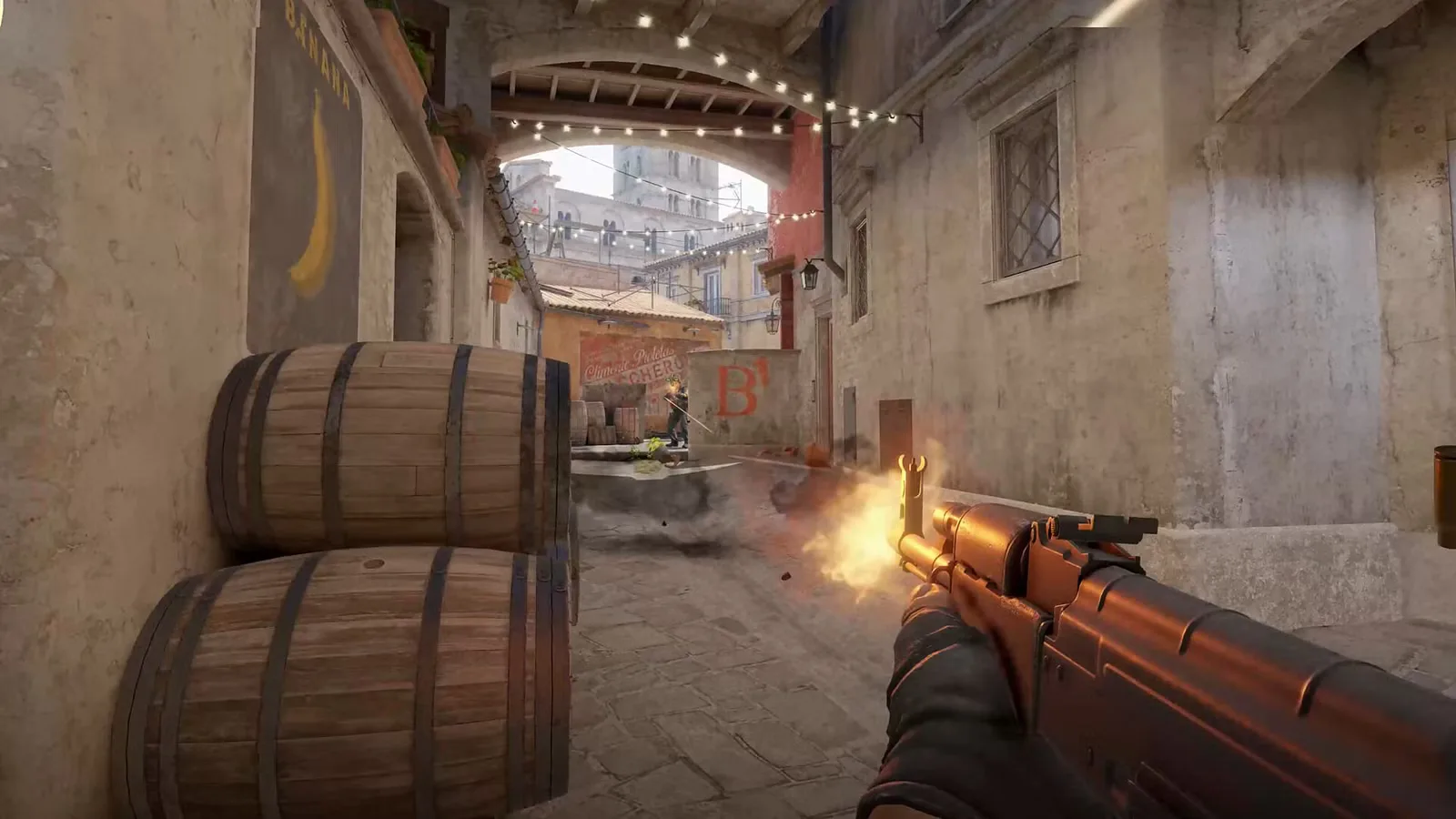
Valve has once again shaken up the shooter game market with a major update for Counter-Strike 2. However, the main spotlight is not on a new mode or technical fixes, but on an unexpected feature: players can now raise virtual chickens. The update was released this week and immediately sparked debate in the global community, including in Indonesia.
In its release notes, Valve introduced Rush Hour mode, a 3v3 queue mode claimed to be fast-paced. In addition, there are rule changes regarding map bans as well as improved visual effects for bullets and blood. However, outside the official announcement, there is a tucked-away mechanism that allows players to obtain eggs through weekly drops. These eggs then hatch into pet chickens with various skins, from ordinary chickens, Polish, to Silkie, each available in several colors.
Surprisingly, this feature is not connected to the famously expensive CS2 skin market. The chickens cannot be traded. After hatching, players can name them, take photos with them, and place them on the loadout screen. These chickens can even accompany players into the lobby. Unfortunately, that companionship is not eternal: when they mature, the chickens will leave the nest and players must start over again.
There is another, more demanding consequence. Players must regularly log into the game to feed them. If not, the chickens will run away. This mechanism is reminiscent of Tamagotchi, but with lighter consequences—no death, only loss. Some players welcomed it positively, but quite a few were cynical. "They see declining player numbers and make a mini-game 'play every week to feed your chicken or it dies'," wrote a Reddit user, as quoted by Polygon.
Sharp criticism came from those who believe Valve is ignoring the main problem: rampant cheating. "What besides proper anti-cheat, what are we doing," wrote another user. Many parties consider cheating to be the main cause of player fatigue. On the other hand, the presence of cute chickens is seen as unlikely to solve that fundamental issue.
"They see declining player numbers and make a mini-game 'play every week to feed your chicken or it dies'." — Reddit user
For the Indonesian market, this phenomenon reflects the dynamics of the global game industry that also affect local communities. CS2 has a significant player base in the country, and Valve's decision to add this kind of retention feature could influence players' daily interaction patterns. If this feature is effective at retaining players, similar models could be adopted by other games. Conversely, if it is seen as merely a gimmick, trust in the developer could erode.
The question is, will Valve seriously address the cheating problem that has long been complained about, or will it continue to rely on cosmetic features to maintain its player base? In the coming months, player count data will be the indicator of whether this chicken strategy succeeds or becomes merely a footnote in the long history of Counter-Strike.