Wi-Fi Router Guide 2026: Wi-Fi 7 Becomes Affordable, Wi-Fi 6E Still Relevant
Baca dalam 60 detik
- TP-Link Archer AXE75 dinobatkan sebagai router terbaik secara keseluruhan karena menawarkan Wi-Fi 6E dengan harga di bawah $200.
- Untuk anggaran terbatas, TP-Link Archer BE230 menjadi pilihan Wi-Fi 7 termurah, sementara Asus RT-BE96U dan TP-Link GE650 mengisi segmen premium dan gaming.
- Sistem mesh seperti eero Pro 7 dan eero 6+ menawarkan solusi menyeluruh untuk rumah besar, dengan dukungan Wi-Fi 7 dan Wi-Fi 6.
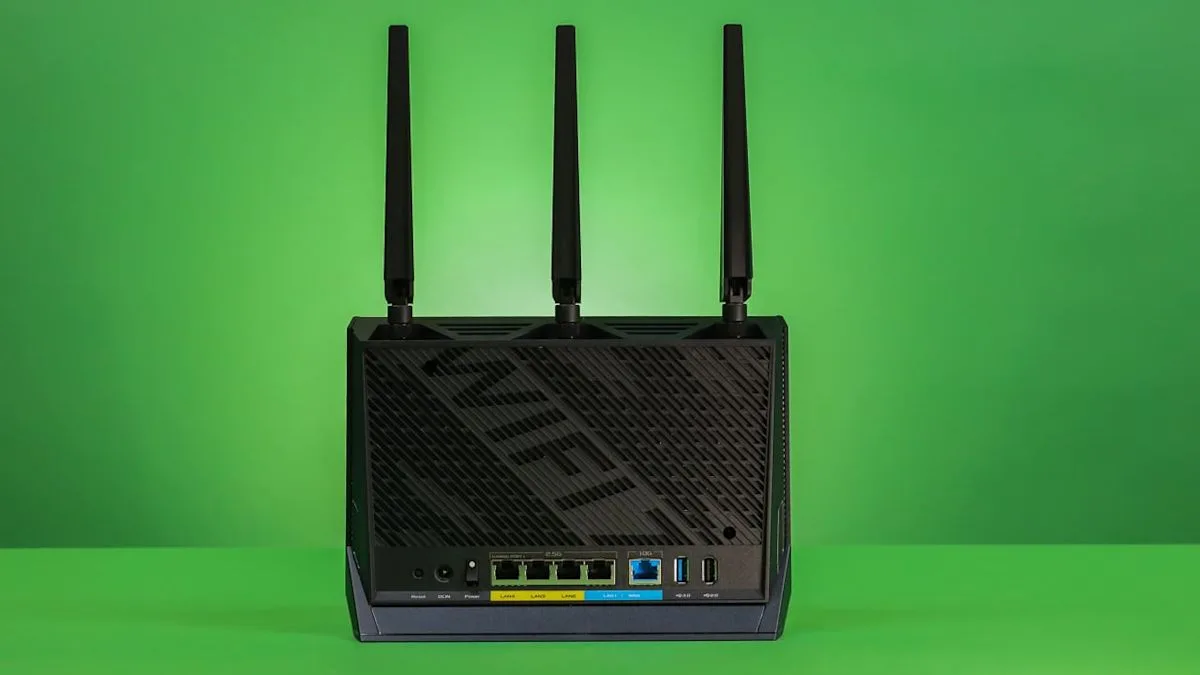
Choosing the right Wi-Fi router is becoming increasingly crucial as households grow more dependent on internet connections for remote work, online learning, streaming, and connecting smart home devices. PCMag, which has tested Wi-Fi devices since the first wireless standard appeared, released its list of the best routers for 2026. Based on objective testing covering throughput speed, range, and signal strength, the TP-Link Archer AXE75 was named the top pick for most users.
The Archer AXE75 stands out for offering Wi-Fi 6E technology at a price below $200, a breakthrough in the consumer router market. Wi-Fi 6E enables operation on the roomier 6GHz band, free from interference from other devices. This router supports various Wi-Fi 6 technologies such as OFDMA, beamforming, MU-MIMO, and WPA3 encryption. With its affordable price, the AXE75 suits those who want to enjoy high speeds without having to replace their device any time soon.
For budget-conscious consumers, the TP-Link Archer BE230 offers Wi-Fi 7 at around $100. Although it lacks the 6GHz band and only supports 160MHz channel width, this router still delivers solid speeds and comes with multi-gig ports and HomeShield security software. This proves that Wi-Fi 7 adoption does not have to be expensive, especially for users who do not yet own Wi-Fi 7 or 6E client devices.
In the upper segment, the Asus RT-BE96U is recommended as the best Wi-Fi 7 router. At a high price, this router offers two 10Gbps Ethernet ports, fast USB connectivity, and peak performance. Support for the latest technologies such as Multi-Link Operation (MLO) and 320MHz channel bandwidth makes it an ideal choice for early adopters who want to take full advantage of the speed of the latest laptops or phones. However, its large size requires sufficient desk space.
For gamers, the TP-Link GE650 is an attractive alternative at $279.99. This router has a unique design resembling an inverted volcano, special gaming features such as a game control panel and bandwidth prioritization, and six multi-gig ports. Its throughput performance is fast, especially on the 2.4GHz band, which reached 246Mbps in close-range testing. Meanwhile, the TP-Link Archer AXE95 remains the king of Wi-Fi 6E with high speeds and multi-gig ports, suited for those who want 6GHz technology without switching to Wi-Fi 7.
For mesh solutions, the eero Pro 7 is a favorite in the mid-range class because it supports Wi-Fi 7, Thread, Matter, and Zigbee, and integrates with Amazon Alexa. Unfortunately, its security and parental control features require an eero+ subscription at $9.99 per month. A budget-friendly alternative is the eero 6+, a three-unit Wi-Fi 6 mesh system with an affordable price, wide coverage of up to 4,500 square feet, and the ability to serve as a smart home hub thanks to its Zigbee radio. The Wyze Wi-Fi 6E Mesh Router Pro also offers a two-unit package with 6GHz support and a competitive price, suited for large homes.
"Routers have become the backbone of families' digital activities, so choosing one that fits your needs is no longer just about speed, but also security and ease of management," said a technology analyst.
In the Indonesian context, where remote work and online learning are increasingly common, choosing the right router can boost productivity and convenience. Although router prices in the Indonesian market tend to be higher due to taxes and distribution, the presence of models such as the Archer AXE75 and BE230 provides affordable options for improving connectivity. In addition, with more smart home devices entering the Indonesian market, Zigbee and Matter support on mesh systems is an added value.
Going forward, Wi-Fi 7 adoption is expected to spread further as prices fall and client devices become available. However, Wi-Fi 6E will remain relevant for several years to come, especially for users who do not yet need extreme speeds. The question is, will router manufacturers soon introduce Wi-Fi 7 models priced below $100 to accelerate migration in developing markets such as Indonesia?