5 Cm. Revolusi Hati Shuns CGI, Director Builds Hydraulic Water Tank for Sea Scenes
Baca dalam 60 detik
- Produser Sunil Soraya menegaskan film 5 Cm. Revolusi Hati hanya memakai CGI sebagai pelengkap, bukan tulang punggung visual.
- Tim produksi menempuh tiga jalur syuting: pengambilan gambar di laut, pembangunan water tank bertekanan hidrolik, dan CGI untuk adegan berisiko.
- Keputusan ini menjadi uji pasar bagi industri film nasional yang tengah bergeser ke efek praktis di tengah dominasi visual digital.
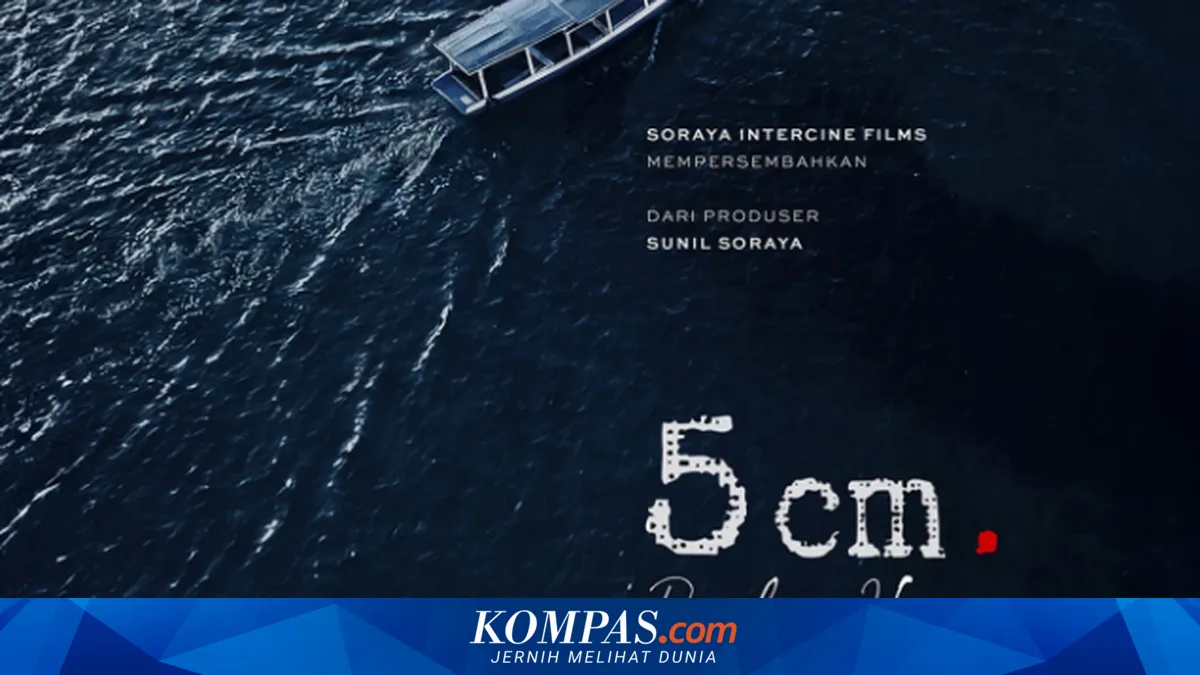
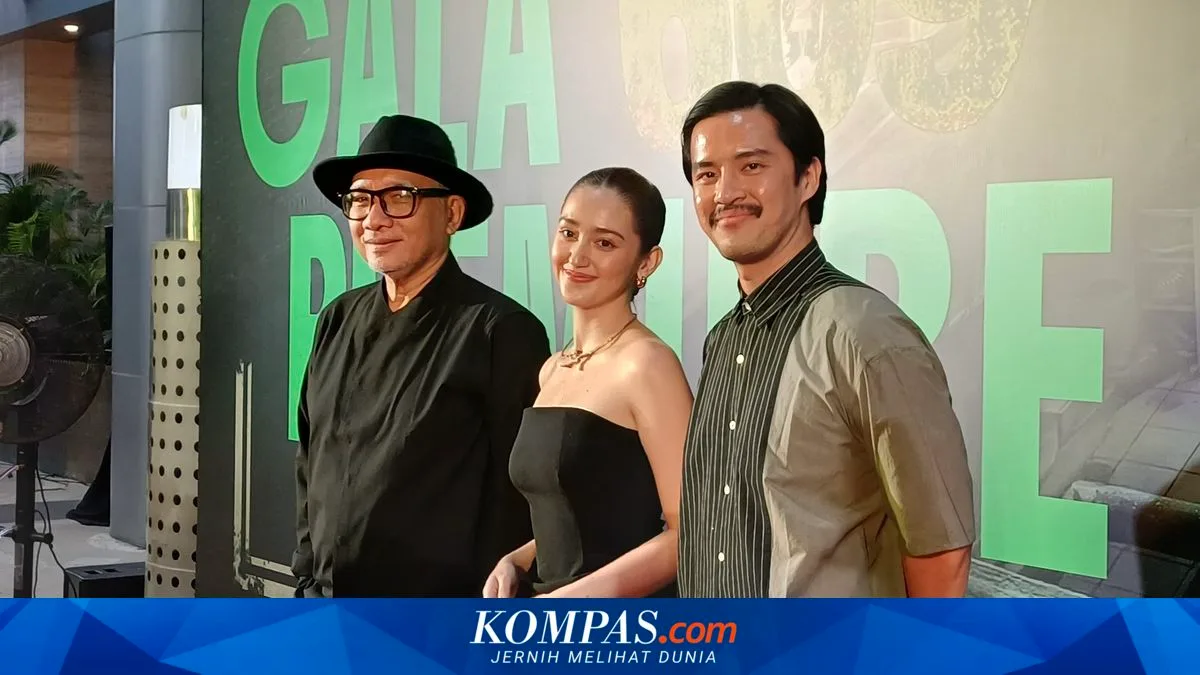
The film 5 Cm. Revolusi Hati has chosen a different path from most Indonesian big-screen productions in recent years. Producer Sunil Soraya has confirmed that the work directed by Emil Haradi will not rely on Computer-Generated Imagery (CGI), even though several scenes are set against the technically challenging backdrop of the sea. The statement was made at a cast reveal press conference in the Kebon Sirih area of Central Jakarta on Tuesday (22/9/2026).
Sunil explained that his team is taking three approaches at once. First, shooting directly at sea. Second, building a water tank, or artificial pool, equipped with a hydraulic system to produce controlled waves. Third, CGI used only to patch up parts that cannot be realized manually. "We try to keep CGI to a minimum if possible," he said, adding that digital effects are only used when a scene is deemed too dangerous, for instance when depicting a major storm.
This artistic choice is not without consequences. Productions built on practical effects generally cost more and take longer to shoot, but they often produce a visual texture that audiences find more convincing. On the other hand, CGI offers efficiency and flexibility. The decision by Sunil and Emil places 5 Cm. Revolusi Hati in a position rarely seen in the national film landscape over the past few years, when many big titles have instead competed to show off the grandeur of digital visuals.
Narratively, the film highlights the teenage years of Zafran, the central figure in the 5 cm story universe. This time his story centers on the final semester of junior high school, including the dynamics of friendship and the events that shape his character before he moves on to the next stage. "This is the story of their last year of junior high, and Zafran's story of what he did in junior high," Sunil said.
"We built a hydraulic system for the waves. CGI is used to patch up things that cannot be achieved manually." — Sunil Soraya, producer
For readers in Indonesia, especially creative industry players and entertainment sector investors, this move implies a shift in production tastes. Domestic audiences are increasingly sharp at telling practical effects apart from digital ones, while distribution platforms demand consistent visual quality. If the minimal-CGI approach succeeds commercially, it is not impossible that other studios will start looking again at investing in physical props, specialist crews, and shooting infrastructure such as water tanks, which have so far rarely been available in the country.
On the supply chain side, the need for hydraulic systems and sea location management opens opportunities for local production service providers. However, the challenges are also real: occupational safety standards in water environments, location permits, and production insurance are decisive factors. The success of 5 Cm. Revolusi Hati will be a benchmark for whether this approach can be replicated sustainably or is merely an exception.
What is worth noting is that the film targets a young audience segment that grew up with flawlessly smooth visual content. The question is whether a practical-effects-based aesthetic can still captivate them, or whether it will instead be seen as less impressive than digital spectacle. The answer to that question will be visible in the market response when the film is released at the end of the year.