Meta Pays Rp292 Trillion, Facebook and Instagram Required to Limit Children's Time
Baca dalam 60 detik
- Meta menyepakati denda hingga USD18 miliar plus USD945 juta atas tuduhan adiksi media sosial pada anak, dibayar bertahap 10 tahun.
- Perubahan wajib: batas dua jam, mode malam, blokir notifikasi jam sekolah, umpan kronologis, matikan autoplay, dan sembunyikan suka.
- Regulator lain berpotensi meniru langkah ini, sementara TikTok menolak dan YouTube serta Snapchat disebut sebagai target berikutnya.
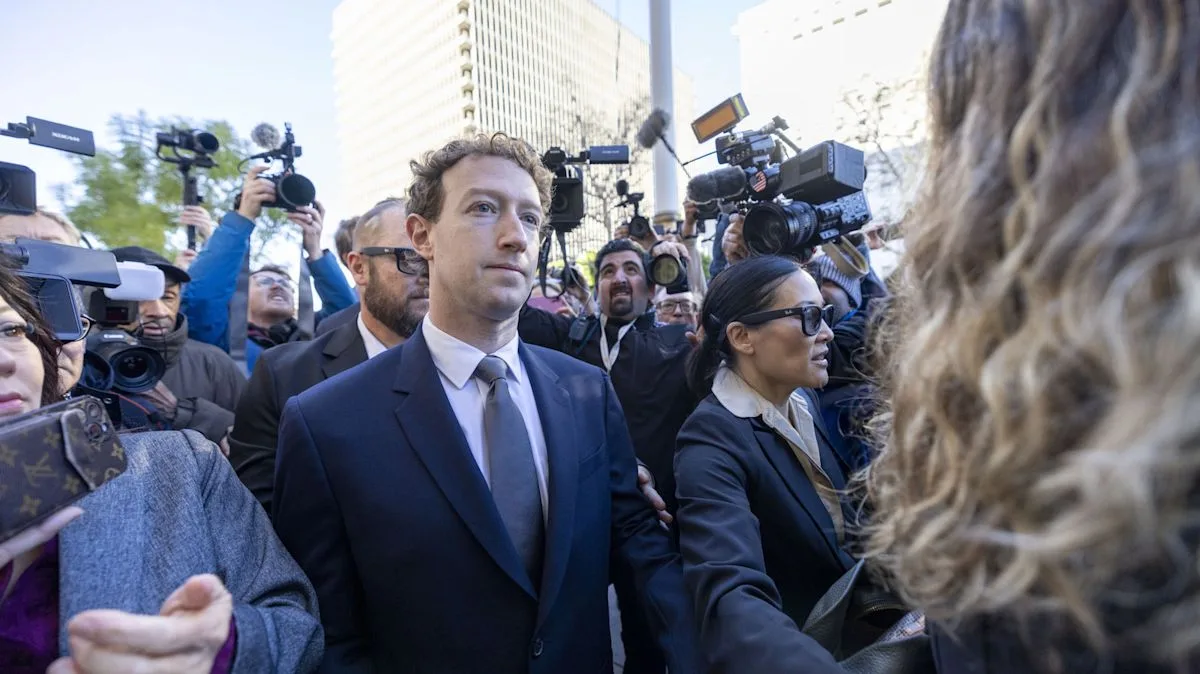
Meta Platforms Inc. agreed to pay up to USD18 billion (around Rp292 trillion) plus USD945 million in fines across three separate cases over allegations of making children addicted to social media. The settlement is far below the initial USD1.4 trillion demand from California and 28 states, which lawyers later revised to USD200 billion. The payment will be made in installments over ten years to the suing states.
This settlement is not just a number. It marks the first time a technology giant is required to fundamentally change its product architecture—not merely pay a fine—to protect underage users. The changes include time limits, notification settings, and parental controls over algorithms and social interactions.
Meta must strengthen its detection systems for underage users, including the ability to recognize duplicate accounts used to circumvent time limits. A two-hour limit applies on Facebook and Instagram, and can be disabled if parents allow it. Night Mode activates automatically, blocking access from 00.00–06.00, though direct messages can still come through. Push notifications are blocked on school days from 08.00–15.00, and reminders appear every 15 minutes—more frequent than the previous 60 minutes.
Changes to the algorithm are a crucial point. Teenagers can now choose a non-algorithmic feed permanently. On Instagram, the feed can be set to chronological, but it will revert to Meta's personalized feed when the app is reopened—showing only content from accounts followed. Parents can also turn off autoplay, which has been considered to trigger unintended engagement. Like counts and reactions are hidden for underage users, and can only be re-enabled through parental controls.
Meta urged TikTok and YouTube to implement similar measures. TikTok refused, but legal experts assess that YouTube and Snapchat could become the next targets of lawsuits if the wave of litigation continues. Regulatory pressure on social media platforms is predicted to intensify, especially in jurisdictions with strict child protection.
"These changes mark a shift from mere fines to product re-engineering," said a technology policy analyst, adding that other companies will likely face similar lawsuits.
For Indonesia, this settlement could become a precedent. With high social media penetration—more than 60% of the population—and a large child user base, pressure for platforms to implement time limits and parental controls could grow. Domestic regulators can refer to the standards imposed in the US to strengthen data protection and children's mental health. However, challenges remain: enforcement of rules on global platforms is often hampered by jurisdictional differences and a lack of algorithm transparency.
Going forward, the question is not only whether Meta will comply, but how effectively these changes suppress digital addiction. If proven successful, a wave of similar regulations could sweep other platforms—and Indonesia needs to prepare with a robust legal framework.