Bundesliga Breaks for Three Weeks, Hundreds of Players Fly Out to Represent Their Countries
Baca dalam 60 detik
- Kompetisi Bundesliga dan Bundesliga 2 memasuki jeda tiga pekan akibat jendela internasional yang diperpanjang, memaksa klub-klub melepas pemain ke berbagai penjuru dunia.
- Bayern Munich dan Borussia Dortmund menjadi penyumbang terbanyak, dengan Harry Kane, Jamal Musiala, dan Serhou Guirassy memperkuat tim nasional masing-masing.
- Situasi ini menghadirkan tantangan bagi pelatih klub dalam menjaga kebugaran pemain sekaligus peluang bagi pemain Asia, termasuk Kevin Diks dari Borussia Mönchengladbach yang memperkuat Timnas Indonesia.

The Bundesliga and Bundesliga 2 competitions have officially entered a three-week break in line with the extended international match window. Instead of training with their clubs, star players from the top two tiers of German football are now scattered across the globe to represent their respective national teams.
This break is not merely an empty calendar. For big clubs such as Bayern Munich and Borussia Dortmund, this period is a test of logistics and fitness management. Bayern, for instance, has had to release more than 15 players to their countries, from Joshua Kimmich and Jamal Musiala representing Germany, Harry Kane (England), Kim Min-jae (South Korea), to Michael Olise and Dayot Upamecano representing France. Dortmund is no less busy, releasing Serhou Guirassy to Guinea, Gregor Kobel to Switzerland, and Ramy Bensebaini to Algeria.
Interestingly, this international window is also a stage for young players. Dortmund sent Jobe Bellingham and Ethan Nwaneri to the England U21 national team, as well as Kauã Prates to the Brazil U20 national team. Meanwhile, Bayern entrusted Tom Bischof to represent both the senior and U21 Germany teams. This phenomenon underscores that Bundesliga clubs are increasingly serious about developing young talent up to the international level.
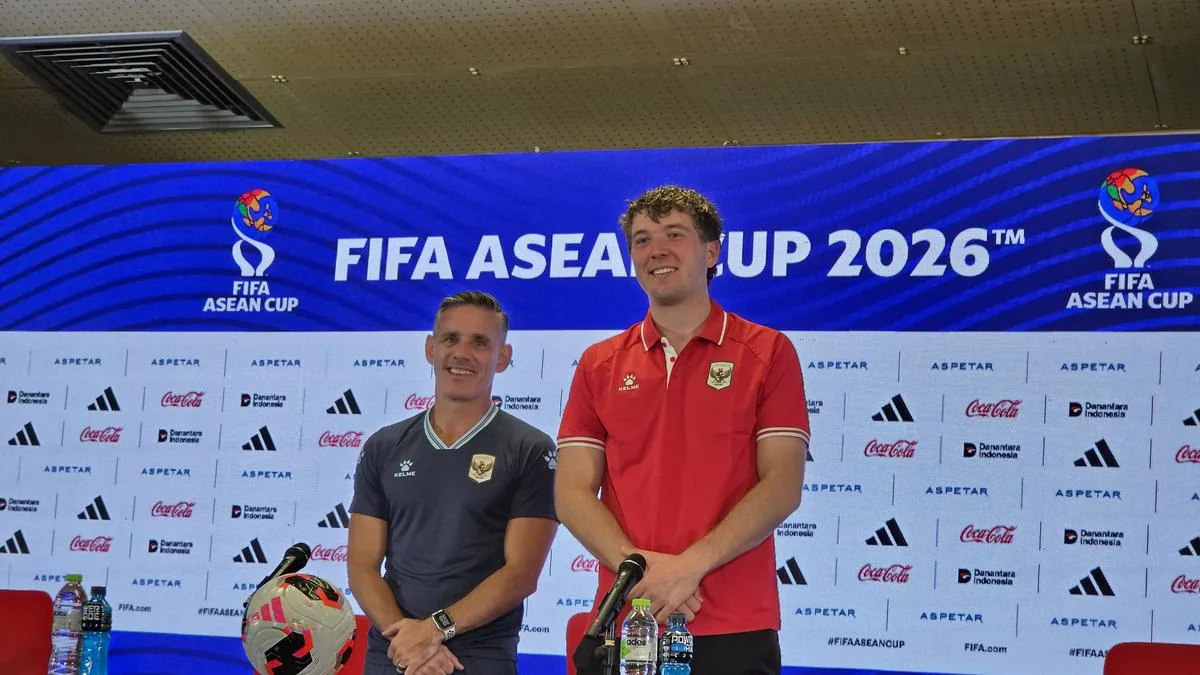
For Asian football, this break brings its own spotlight. Borussia Mönchengladbach defender Kevin Diks has been called up again to strengthen the Indonesia national team. His presence in the Garuda squad is proof that the Bundesliga remains a top destination for Asian footballers who want to hone their skills at the highest level. Besides Diks, there is also Ko Itakura (Japan) representing Gladbach, as well as Ritsu Dōan (Japan) and Can Uzun (Turkey) from Eintracht Frankfurt.
In the Bayer Leverkusen camp, coach Xabi Alonso has had to lose several key pillars such as Ezequiel Fernández and Facundo Medina (Argentina), Mark Flekken (Netherlands), and Edmond Tapsoba (Burkina Faso). Meanwhile, RB Leipzig released Antonio Nusa (Norway) and Willi Orbán (Hungary), who will play in the European Championship qualifiers. Mid-table clubs such as Freiburg, Augsburg, and Mainz have also not escaped the exodus of players to national teams.
"The international break is always a double-edged sword. On one hand, players gain valuable experience, but on the other hand we have to rack our brains to maintain their condition when they return," said a Bundesliga tactical analyst who declined to be named.
The impact of this break is also felt in Bundesliga 2. Clubs such as Hertha Berlin, Nuremberg, and Schalke have had to release their key players. Schalke, for example, released Edin Džeko (Bosnia) and Hee-chan Hwang (South Korea), who are still mainstays at the international level. Meanwhile, Nuremberg sent Abu El Haija to Palestine, a historic moment for the young player.
For Indonesian football fans, this break is an opportunity to watch Kevin Diks in action with the Indonesia national team. His performances in the Bundesliga with Gladbach this season have drawn attention, and he is expected to make a real contribution to the squad coached by Shin Tae-yong. Not only Diks, a number of other Bundesliga players who have Indonesian blood or play in Asia are also being closely followed by the Indonesian media.
With the break still having two weeks to go, Bundesliga clubs must prepare for the risk of player injuries and fatigue. Coaches such as Thomas Tuchel (Bayern) and Edin Terzić (Dortmund) are required to rotate their squads carefully once the competition resumes. The question is, will this long break benefit the big teams or instead become a boomerang for their ambitions in the remainder of the season?