Bali Tragedy: Australian National Allegedly Kills Two Children Then Takes His Own Life, Friend Recalls How He Changed
Baca dalam 60 detik
- Damien John Shaw (56) ditemukan tewas bersama dua anaknya di sebuah vila di Denpasar, Bali, dalam dugaan pembunuhan dan bunuh diri.
- Sahabat korban di Australia menyebut Shaw mengalami perubahan fisik drastis dan tekanan rumah tangga dalam beberapa bulan terakhir.
- Kasus ini menyoroti kerentanan kesehatan mental ekspatriat lanjut usia di Bali serta pentingnya deteksi dini bagi komunitas asing.
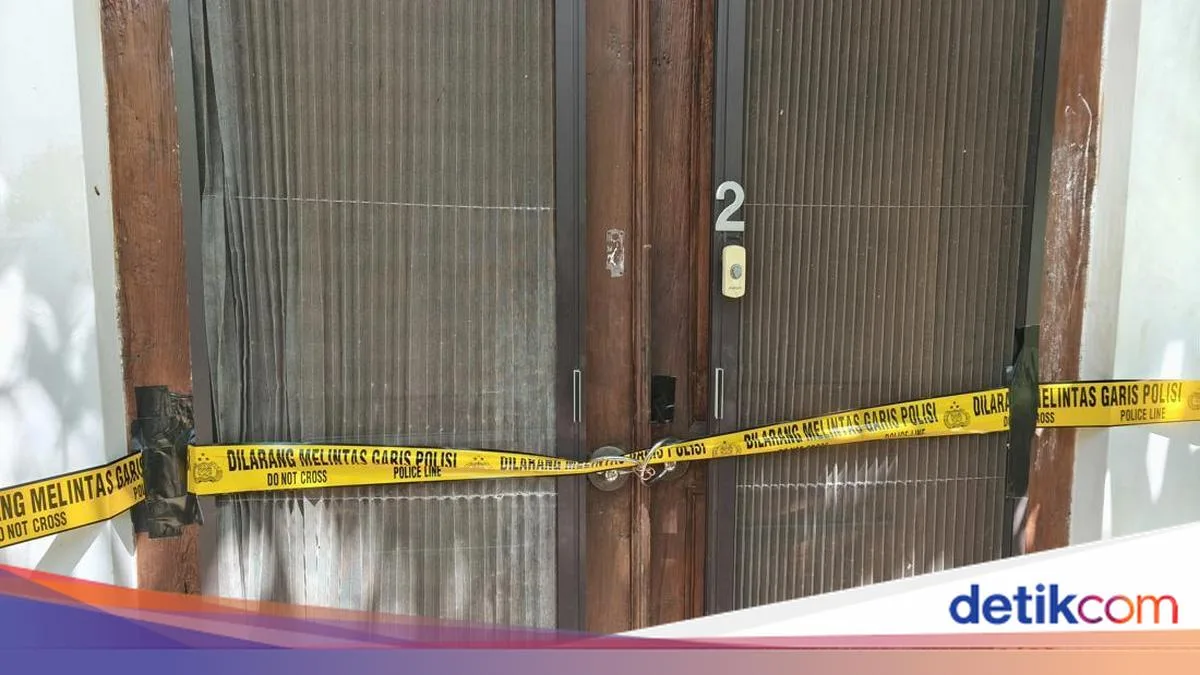
Denpasar — Australian national Damien John Shaw, 56, is strongly suspected of taking his own life after killing his two children, aged 6 and 4, at a villa in Bali on Sunday (13/9). The incident shocked his friendship network in Australia and raised questions about mental health vulnerabilities among expatriates.
Denpasar City Police have questioned the mother of the two children, who was in Jakarta with her family at the time of the incident. Investigators have yet to release an official motive, but several of Shaw's friends in Australia described household pressure and a striking change in his physical condition over recent months.
Tania Dagnall, a close friend of Shaw based in Bunbury, Western Australia, said she met him about three months ago in Bali. She said Shaw—known by the nickname 'Damo'—looked far thinner than usual. "I was shocked to see him. He looked very different when he came over and joined us for coffee. He was no longer the stocky man I used to see," Dagnall told ABC Australia.
According to Dagnall, Shaw and his wife had experienced marital tension in recent months. Although his finances were relatively comfortable—with properties in Perth and Japan that he used as a stopover while snowboarding—his friends never expected him to commit such an act. "If he really did this, there is no reason that can justify it; there is absolutely no reason for it, ever. It is truly horrifying," Dagnall said.
"Honestly, we thought he was living an ideal life: retired in a beautiful place and with children," said Tania Dagnall, a close friend of the victim.
Shaw is known to have come from Perth and had long resided in Bali. He converted religion when he married his wife about seven years ago. After that, he stopped drinking alcohol and stayed away from drugs. He had previously worked as a seafarer in the oil and gas industry on a fly-in fly-out schedule, then chose to retire early to spend more time with his family. His daily routine included taking the children to school and swimming practice.
The case highlights the dark side of expatriate life in Bali, which is often seen as a retirement paradise. Social pressure, isolation, and household dynamics can trigger undetected mental health crises. For the foreign community, especially older members, access to counseling services and psychological support remains limited. The Indonesian government, through the local Health Office, has not issued an official statement on future preventive measures.
From a legal standpoint, the case will involve coordination between the Indonesian National Police and Australian authorities, especially since the victims are Australian nationals. The repatriation of the bodies and the cross-border investigation are likely to take time. Meanwhile, the surviving mother must face deep trauma and a lengthy legal process.
Going forward, the incident could push local governments in Bali to strengthen mental health programs for foreign residents, including providing English-language counseling services. However, without collective awareness among the expatriate community to care for one another, similar tragedies could recur. Will this case become a turning point in attention to mental health among migrants, or will it simply be news that quickly fades?