'I Love You Daddy' Cries Did Not Stop Killing of Two Children in Kuta: A New Alarm for Bali Tourism and Security
Baca dalam 60 detik
- Rekaman CCTV mengungkap detik-detik tragis saat seorang ayah asal Australia menghabisi nyawa kedua anaknya di sebuah bungalow di Kuta, Bali.
- Peristiwa ini memicu pertanyaan serius tentang pengawasan orang asing dan kesiapan layanan kesehatan mental di destinasi wisata utama Indonesia.
- Investor dan pelaku industri pariwisata perlu mewaspadai dampak jangka panjang terhadap reputasi keamanan Bali di mata pasar internasional.

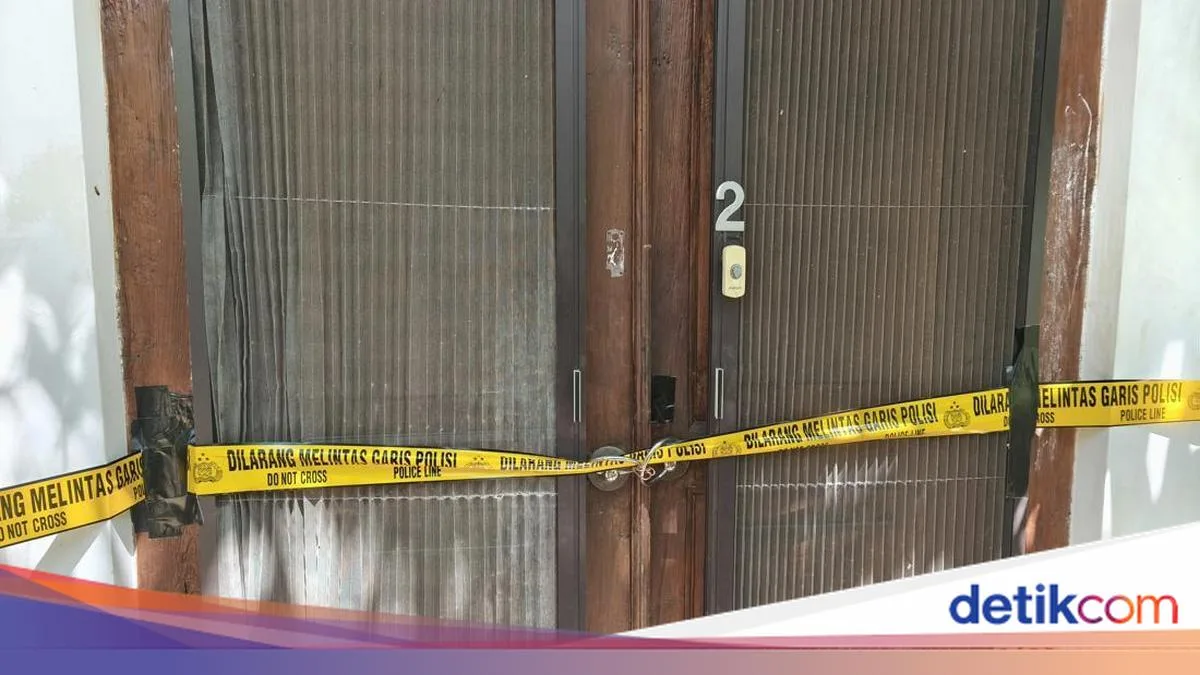
Deep grief has enveloped the Kuta tourist area in Bali after an Australian man with the initials SDJ (56) took the lives of his two children, ADS (6) and LKS (4), inside a bungalow. Closed-circuit television (CCTV) footage released by police shows the horrific sequence of events, including the victim's young daughter's attempt to flee her father's rampage.
Denpasar Police Chief Kombes Leonardo Simatupang revealed that the incident began with a disturbance inside the lodging unit. The screams of the first child, a boy, ADS, triggered panic. His younger sibling, LKS, tried to save herself by running outside, but was chased by SDJ. In the footage, LKS's anguished cries can be heard repeatedly pleading, "I love you, Daddy," before she was finally cornered and taken back into the room.
After killing both of his children, the perpetrator was seen pacing around the storage area looking for rope. A blue rope was later found and is strongly suspected to have been used by SDJ to end his own life by hanging. This incident adds to the long list of domestic violence cases involving foreign nationals in Indonesian jurisdiction.
For Indonesia, especially Bali as a global tourism icon, this incident is not merely an ordinary criminal record. It highlights the vulnerability of early detection systems for potential mental health issues among foreign tourists. Bali has long been known as a destination for healing and relaxation, but this case shows that untreated psychological pressure can lead to a humanitarian tragedy.
"From the CCTV visuals, it can be seen that the girl was being chased," said Kombes Leonardo Simatupang, stressing that the legal process continues even though the perpetrator has died.
From an industry perspective, this event could affect Bali's security perception in the eyes of Australian tourists, who have long been one of the main markets. Local governments and tourism businesses are being called on not only to focus on promotion but also to strengthen counseling and crisis intervention services in hotels and resorts. Without concrete steps, market trust in the destination's safety could erode.
Furthermore, this case opens a discussion on the need for regulations requiring accommodation businesses to have psychological emergency response protocols. Cooperation with foreign consulates and mental health service providers is crucial to prevent similar incidents. Investors in the property and tourism sectors need to pay close attention to the reputational risks arising from such incidents, especially in the long term.
Going forward, the big question is whether Bali authorities and the central government will turn this tragedy into a momentum to reform the monitoring and mental health support system for visitors. Without that, the shadow of similar incidents will continue to loom, threatening not only lives but also the economic stability of a region that depends on tourism.