
Khamenei Warns US of 'Safe Haven' Threat Amid Nuclear Talks
Baca dalam 60 detik
- Khamenei's warning directly targets US military assets and allies in the Middle East, suggesting Iran could unleash proxy forces to destabilize American interests.
- The threat leverages Iran's network of militias in Iraq, Syria, Yemen, and Lebanon.
- This strategic posture aims to increase pressure on Washington to concede on sanctions relief and nuclear enrichment rights.
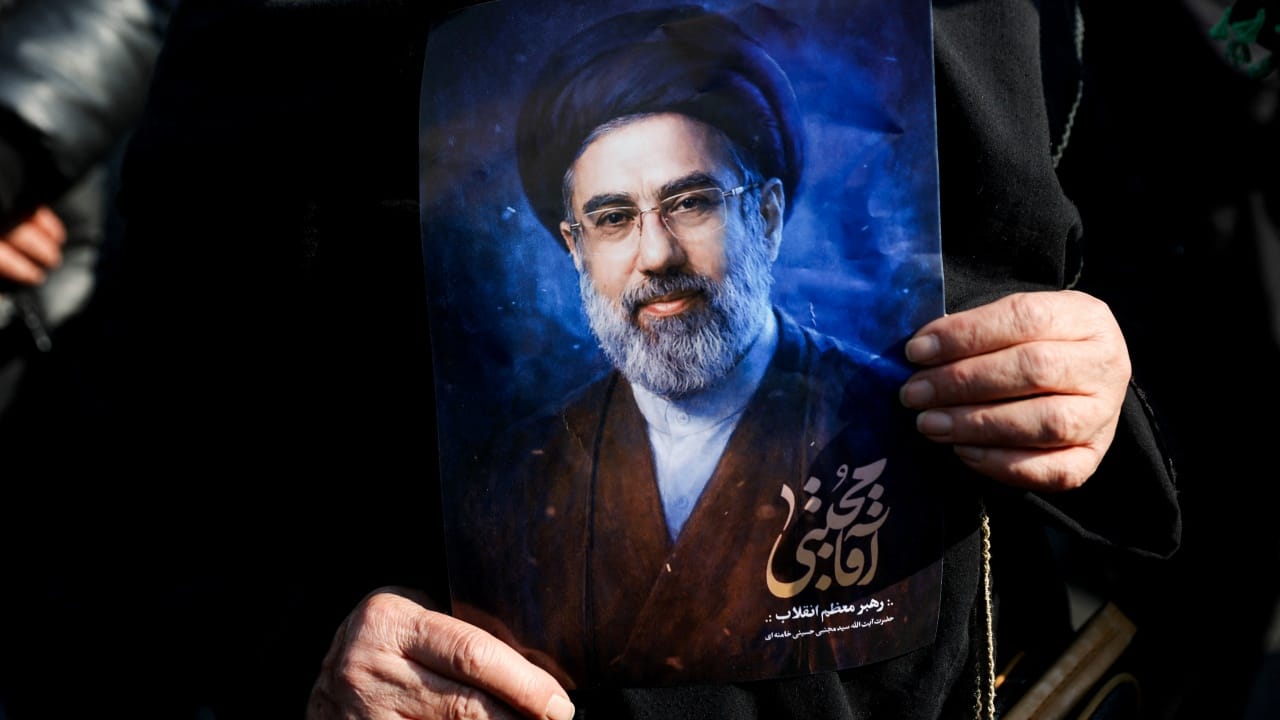
Khamenei's warning directly targets US military assets and allies in the Middle East, suggesting Iran could unleash proxy forces to destabilize American interests. The threat leverages Iran's network of militias in Iraq, Syria, Yemen, and Lebanon. This strategic posture aims to increase pressure on Washington to concede on sanctions relief and nuclear enrichment rights.
Negotiators in Vienna face a critical juncture, with both sides accusing each other of stalling. Iran demands full removal of sanctions and verification guarantees, while the US insists on snapback mechanisms and inspections. The power dynamic favors Iran, which has advanced its nuclear program to near-weapons-grade enrichment during talks.
Khamenei's hardline stance consolidates his authority within Iran's political system, sidelining moderates who favor compromise. By framing the deal as a test of US credibility, he mobilizes domestic support for potential confrontation. The window for diplomacy narrows as Iran's nuclear clock ticks toward breakout capacity.
Power Move: Khamenei's 'safe haven' warning is a calculated gambit to extract maximum concessions. Expect Iran to escalate proxy attacks if talks collapse, forcing the US into a choice: accept Tehran's terms or face a wider regional conflict. The next 72 hours will determine whether diplomacy prevails or confrontation escalates.
This article was edited with AI assistance for readability. Read original here.


