
Bunga Stewartia yang Mekar Sehari, Simbol Fana dalam Sastra Jepang, Dibuka untuk Publik
Baca dalam 60 detik
- Kyoto's Torin-in temple opens special viewing of Japanese stewartia blossoms, which symbolize impermanence and last only a single day.
- The flowers are linked to Buddhist tradition and the classic 'The Tale of the Heike,' reflecting the transient nature of life.
- The event runs through June 24, offering visitors a chance to contemplate mortality while enjoying matcha and sweets.
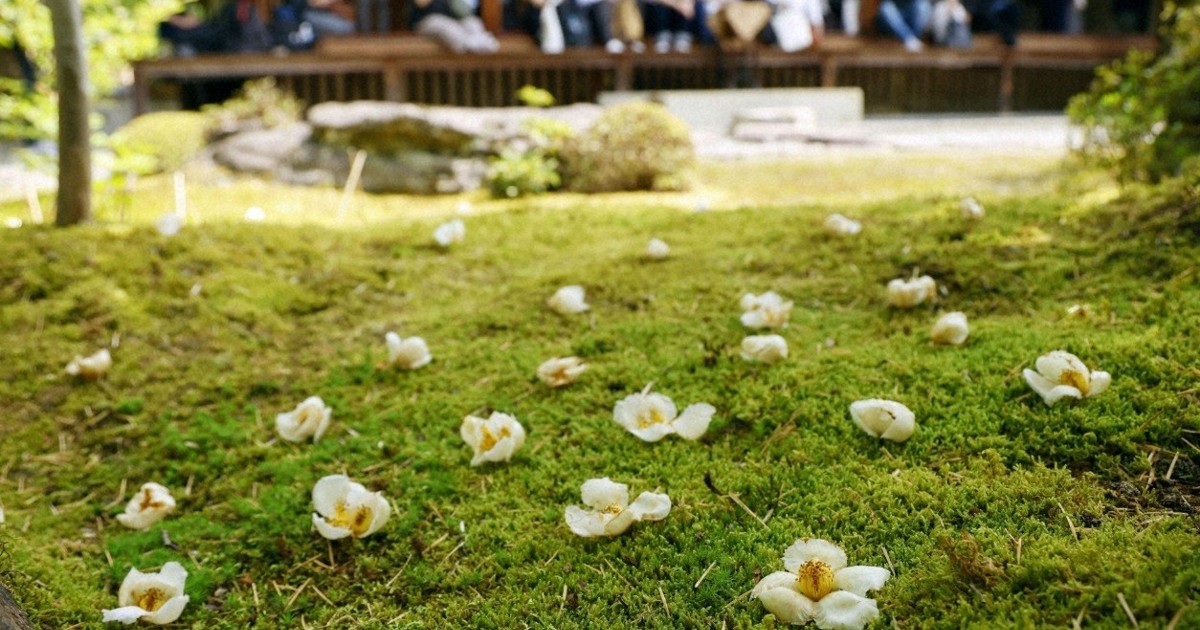
Kyoto's Torin-in temple has opened a special viewing of Japanese stewartia blossoms, whose fleeting one-day bloom has long been a symbol of impermanence in classic literature. Starting Thursday, visitors can sit on the temple veranda and watch the white petals fall onto the green moss, a quiet meditation on the brevity of existence.
The stewartia trees were planted as a substitute for the sal trees under which Buddha is said to have passed away in present-day India. According to tradition, the flowers fell on his body at the moment of death. This connection to Buddhism deepens the spiritual resonance of the viewing, inviting reflection on life's transience.
The blossoms also appear in the opening passage of the 13th-century epic "The Tale of the Heike," where they illustrate the principle that "all that flourishes must fade." The work recounts the rise and fall of two samurai clans, using the short-lived flowers as a metaphor for the impermanence of power and glory. For Japanese readers, this reference is deeply embedded in cultural memory.
Temple chief priest Genbo Nishikawa, 87, said the flowers teach a lesson about living each day without regret. "Through their own brief lives, they show us the importance of cherishing the present moment," he explained. The stewartia trees on the grounds were grown from seeds collected from a 350-year-old tree that died about 20 years ago, adding a layer of continuity and renewal.
Bagi pembaca di Indonesia, tradisi hanami (melihat bunga) di Jepang menawarkan perspektif berbeda tentang hubungan manusia dengan alam. Di tengah hiruk-pikuk kehidupan modern, momen kontemplatif seperti ini mengingatkan akan nilai kesederhanaan dan penerimaan terhadap siklus alam. Meskipun Indonesia memiliki kekayaan flora, tradisi mengagumi bunga yang mekar sebentar belum lazim, kecuali pada beberapa komunitas pecinta bonsai atau taman.
Acara ini tidak memerlukan reservasi dan berlangsung hingga 24 Juni. Pengunjung dapat menikmati secangkir matcha dan kue tradisional sambil duduk di beranda, menyaksikan kelopak putih jatuh satu per satu. Biaya masuk 1.600 yen (sekitar Rp 170.000) sudah termasuk hidangan tersebut.
Ke depan, apakah tradisi serupa dapat diadopsi di Indonesia? Dengan kekayaan budaya dan alam yang dimiliki, bukan tidak mungkin konsep menikmati keindahan sesaat ini bisa menjadi daya tarik wisata baru, terutama di tengah tren slow tourism yang semakin populer.

:strip_icc():format(jpeg)/kly-media-production/medias/8259054/original/094853000_1781441071-VID-20260614-WA0054_1_.jpg)
:strip_icc():format(jpeg)/kly-media-production/medias/4115359/original/011653100_1659849791-IMG20220807092959.jpg)
:strip_icc():format(jpeg)/kly-media-production/medias/8258679/original/060323900_1781401081-IMG_20260613_234328.jpg)