Rubio Signals Iran Deal Openings Amid US Strikes
Baca dalam 60 detik
- Rubio's statement marks a notable shift from the administration's earlier maximalist stance, acknowledging that military action alone cannot secure US interests.
- By coupling strikes with diplomatic overtures, the US forces Iran to choose between escalating costs or returning to the negotiating table.
- This leverages America's military advantage while maintaining leverage for future talks.
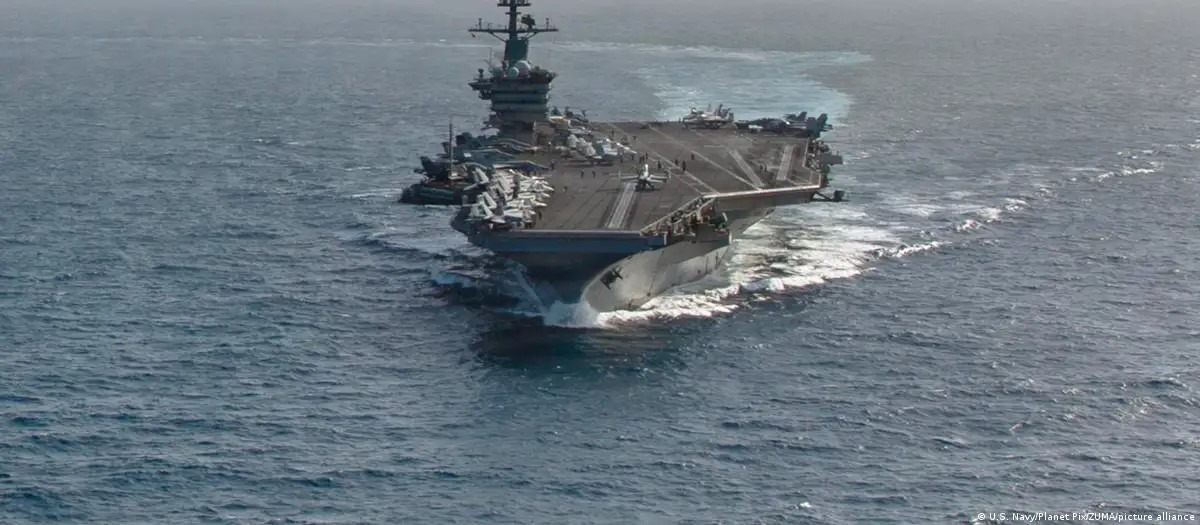
Rubio's statement marks a notable shift from the administration's earlier maximalist stance, acknowledging that military action alone cannot secure US interests. By coupling strikes with diplomatic overtures, the US forces Iran to choose between escalating costs or returning to the negotiating table. This leverages America's military advantage while maintaining leverage for future talks.
The timing is critical: Iran's economy buckles under renewed sanctions, and its proxy networks face mounting losses. Rubio's openness exploits this vulnerability, offering Tehran a face-saving exit if it curbs nuclear enrichment and proxy aggression. However, Iran's leadership remains divided between hardliners seeking retaliation and pragmatists eyeing sanctions relief.
Regional allies watch closely—Saudi Arabia and Israel demand guarantees that any deal blocks Iran's path to nuclear weapons. Rubio's statement implicitly assures them that diplomatic tracks will include robust verification mechanisms. The strategy mirrors the Trump-era maximum pressure campaign but adds a diplomatic dimension to force Iranian concessions.
Power Move: Rubio's calibrated openness turns military strikes into leverage, not an endgame. The real power play: force Iran to negotiate from weakness while keeping military options on the table. Expect intensified backchannel talks within 90 days as Tehran calculates its survival strategy.
This article was edited with AI assistance for readability. Read original here.