Bangladesh's Padma Barrage: India's Neighbourhood First Fails
Baca dalam 60 detik
- The Padma Barrage will regulate the Ganges flow, giving Bangladesh control over irrigation, flood control, and navigation.
- India's inability to secure a joint framework reflects its waning influence in South Asia.
- Dhaka's move follows China's increased infrastructure investments, creating a new axis of dependency.
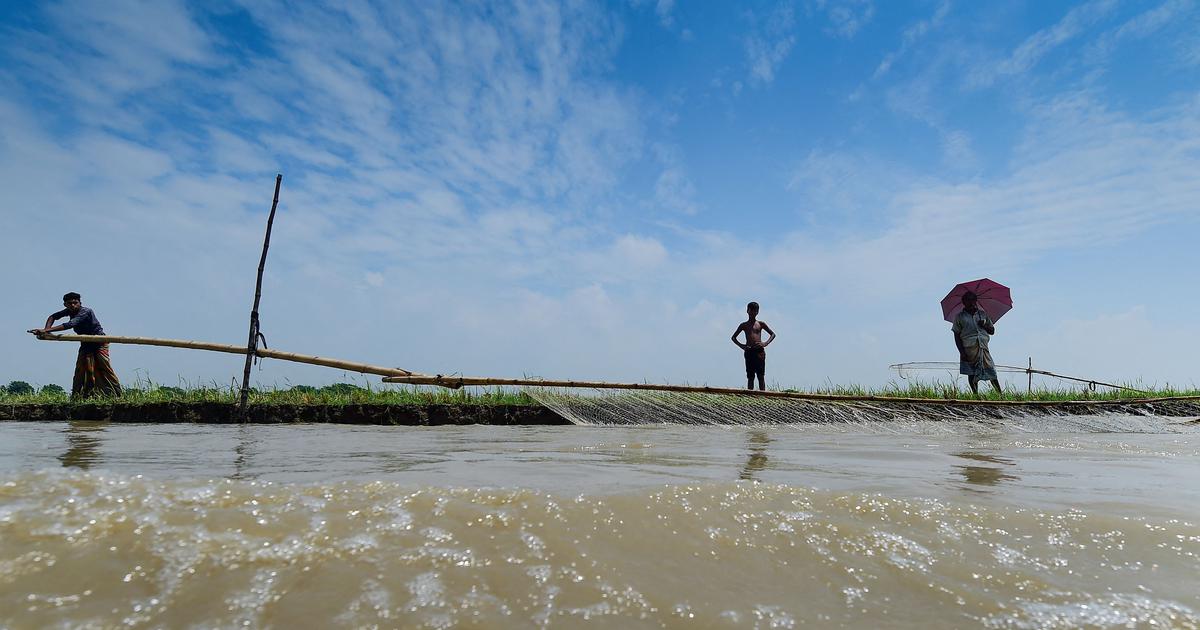
The Padma Barrage will regulate the Ganges flow, giving Bangladesh control over irrigation, flood control, and navigation. India's inability to secure a joint framework reflects its waning influence in South Asia. Dhaka's move follows China's increased infrastructure investments, creating a new axis of dependency.
India's Neighbourhood First policy promised preferential treatment and cooperation, but Delhi's delays on water-sharing and trade concessions eroded trust. Bangladesh now leverages its geographical position to court Beijing, which funded the Padma Bridge. This strategic recalibration threatens India's hydro-hegemony in the region.
Analysts warn that the barrage could reduce dry-season flow into India's Sundarbans, impacting agriculture and ecology. India's failure to offer viable alternatives or engage proactively left Dhaka with no choice. The Padma Barrage is not just a water project—it's a geopolitical statement.
Power Move: By advancing the Padma Barrage, Bangladesh signals it will no longer wait for India's cooperation. Delhi must urgently recalibrate its neighbourhood strategy or risk losing influence to China. The era of unilateral Indian dominance in South Asia is ending.
This article was edited with AI assistance for readability. Read original here.