Putin Signs Law to ‘Protect Russians Abroad’: Power Grab
Baca dalam 60 detik
- The law defines 'protection of Russians abroad' as a legitimate reason for deploying troops, effectively creating a legal framework for intervention in neighboring states.
- This mirrors the pretext used for the 2014 annexation of Crimea, where Russia claimed to defend ethnic Russians.
- Critics warn this could trigger a new wave of aggression against Ukraine or other former Soviet republics.
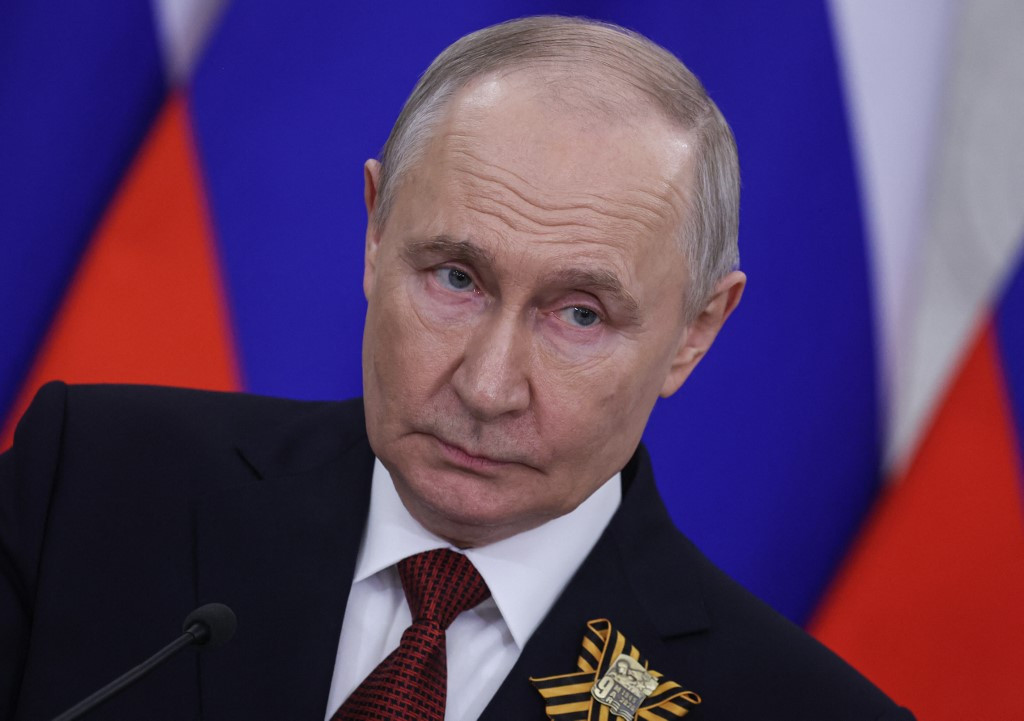
The law defines 'protection of Russians abroad' as a legitimate reason for deploying troops, effectively creating a legal framework for intervention in neighboring states. This mirrors the pretext used for the 2014 annexation of Crimea, where Russia claimed to defend ethnic Russians. Critics warn this could trigger a new wave of aggression against Ukraine or other former Soviet republics.
By codifying this authority, Putin eliminates the need for UN or international approval, asserting unilateral discretion. The legislation passed swiftly through the Duma with minimal debate, reflecting the Kremlin's consolidated control. Analysts interpret this as a direct challenge to international norms and a signal of heightened readiness for conflict.
The law's timing coincides with stalled peace talks and rising tensions in Eastern Europe. NATO allies face a stark strategic dilemma: either reinforce borders now or risk a fait accompli. Russia's military budget has already increased 30% this year, funding capabilities for rapid deployment.
Power Move: Putin just handed himself a blank check for military intervention. Expect this law to be tested within months, likely in Moldova or Georgia. The West must respond with immediate sanctions and troop deployments, or watch Russia redraw borders under legal cover.
This article was edited with AI assistance for readability. Read original here.