
Venezuela Transfers Female Inmates After Prison Uprising: Maduro's ...
Baca dalam 60 detik
- The transfer of female prisoners from the overcrowded facility in Caracas follows a deadly rebellion that exposed systemic failures within Venezuela's prison system.
- Inmates faced extreme conditions, with reports of torture and neglect rampant.
- This incident underscores the regime's reliance on force to maintain control.
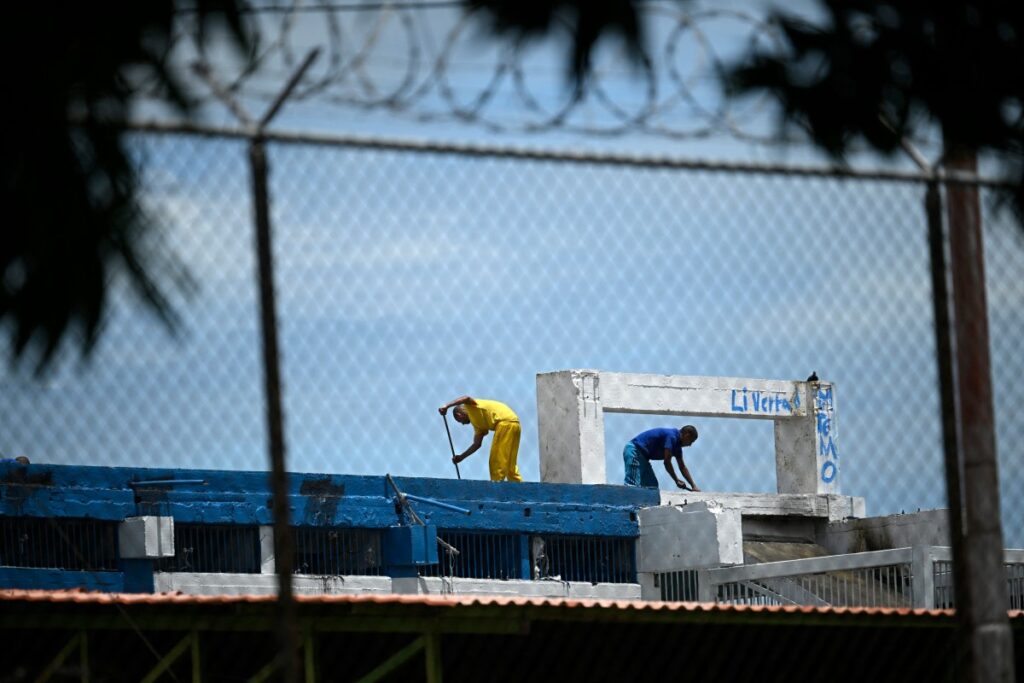
The transfer of female prisoners from the overcrowded facility in Caracas follows a deadly rebellion that exposed systemic failures within Venezuela's prison system. Inmates faced extreme conditions, with reports of torture and neglect rampant. This incident underscores the regime's reliance on force to maintain control.
Analysts view the transfer as a tactical maneuver to prevent further unrest from spreading to other detention centers. By relocating inmates, Maduro aims to disrupt organized resistance and quell potential solidarity movements. However, this move risks inflaming tensions among prisoners' families and human rights groups.
The uprising highlights the broader crisis in Venezuela, where political repression and economic collapse fuel social unrest. International observers condemn the government's response, calling for independent investigations. Maduro's strategy of containment may backfire if global pressure mounts.
Power Move: Maduro's prison transfer is a short-term fix for a systemic crisis. As dissent grows, expect more uprisings—and harsher crackdowns. The regime's survival hinges on controlling not just inmates, but the narrative of its own decay.
This article was edited with AI assistance for readability. Read original here.


